
Amoebic Infection Treatment in Delhi
Frequent loose or watery stools, cramping abdominal pain, and a tiredness that doesn’t lift after a day or two of rest are among the most common reasons people search for amoebic infection treatment in Delhi — not because a bout of diarrhea is unusual, but because amoebic infection rarely clears on its own without medication that targets the underlying parasite.
Amoebic infection — more formally known as amoebiasis, and often searched by patients as amoebiasis treatment in Delhi — is caused by the parasite Entamoeba histolytica, usually acquired through contaminated food or water. This page explains what causes amoebic infection, how intestinal amoebiasis differs from the rarer but more serious amoebic liver abscess, how the condition is diagnosed, and what treatment typically involves. Whether you are elsewhere in the city or specifically looking for amoebic infection treatment in South Delhi, the process starts with confirming the parasite on a stool test before starting treatment.
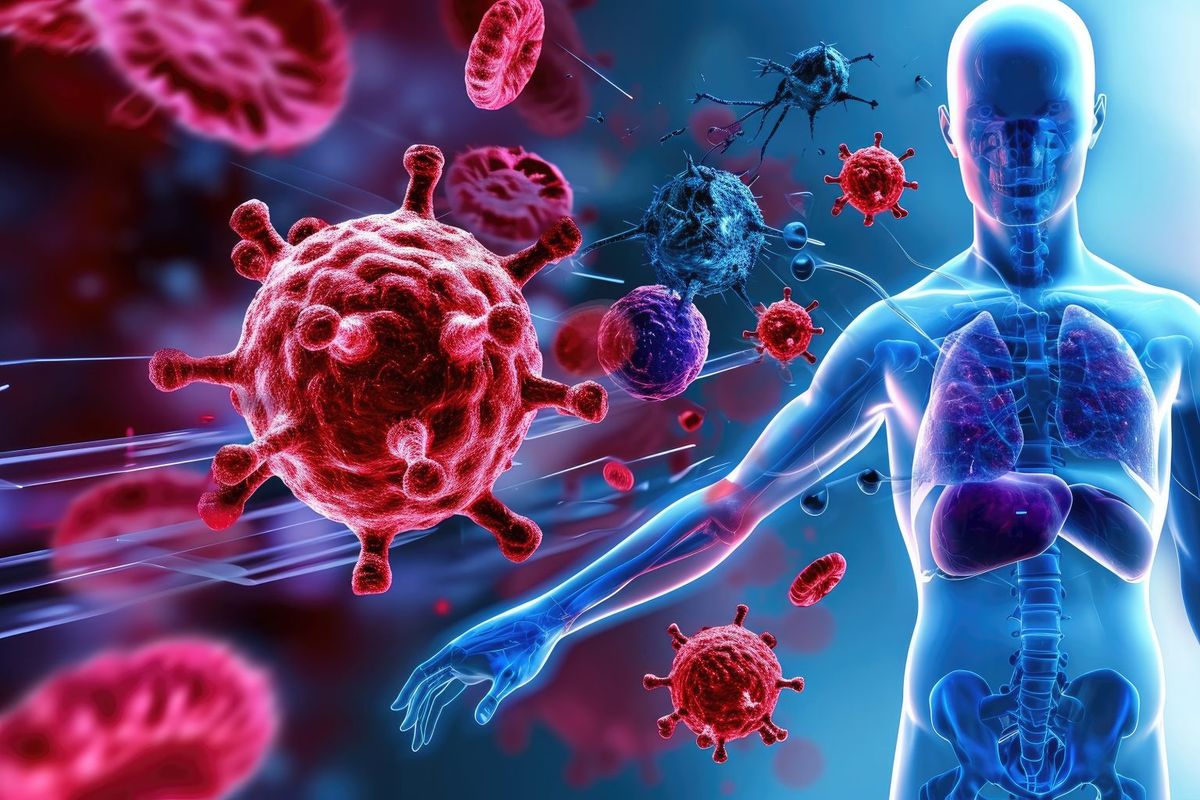
What Is Amoebic Infection (Amoebiasis)?
Amoebic infection is an intestinal infection caused by the single-celled parasite Entamoeba histolytica, which is swallowed in cyst form via contaminated food or water and then invades the lining of the large intestine. Many people who carry the parasite have no symptoms at all, while others develop diarrhea, abdominal cramping, and, in more severe cases, blood or mucus in the stool. Because the infection is caused by a specific, identifiable parasite, most cases resolve fully once the correct antiparasitic medication is prescribed and completed as directed, which is why persistent diarrhea should not be managed indefinitely with over-the-counter anti-diarrheal medication alone, and why some patients specifically look for amoebiasis treatment in Delhi rather than continuing self-medication.
Common Symptoms of Amoebic Infection
People experiencing amoebic infection typically report one or more of the following:
Frequent Diarrhea
Frequent, loose or watery diarrhea, sometimes alternating with constipation.
Cramping Abdominal Pain
Cramping abdominal pain, particularly in the lower abdomen.
Blood or Mucus in Stool
Blood or mucus in the stool in more severe infections (amoebic dysentery).
Nausea or Vomiting
Nausea or occasional vomiting.
Reduced Appetite & Weight Loss
Reduced appetite and unintentional weight loss over time.
Fatigue and Weakness
Fatigue and weakness linked to dehydration and nutrient loss.
Low-Grade Fever
Low-grade fever.
High Fever & Severe Pain
High fever with right upper abdominal pain — a warning sign that needs prompt amoebic liver abscess treatment in Delhi rather than a wait-and-watch approach.
Intestinal Amoebiasis and Amoebic Liver Abscess
Amoebic infection is broadly grouped by where the parasite causes disease: intestinal amoebiasis, in which Entamoeba histolytica remains within the lining of the colon and causes diarrhea, cramping, and amoebic dysentery, and extraintestinal amoebiasis, in which the parasite travels through the bloodstream to form an abscess, most often in the liver. The two can present quite differently — intestinal amoebiasis is usually dominated by digestive symptoms, while an amoebic liver abscess more often presents with high fever and right upper abdominal pain, sometimes without significant diarrhea at all. Amoebic liver abscess treatment in Delhi generally combines the same antiparasitic medication used for intestinal disease with imaging-guided monitoring, and occasionally drainage, which is one reason the exact site and extent of infection is confirmed on ultrasound or CT rather than assumed from symptoms alone.
What Causes Amoebic Infection?
Amoebic infection spreads when a person swallows Entamoeba histolytica cysts, and several factors increase the risk:
- Drinking water contaminated with the parasite
- Eating improperly washed or contaminated fruits and vegetables
- Poor personal hygiene, particularly inadequate handwashing
- Living in or travelling to areas with inadequate sanitation
- Close contact with an infected individual
- Unsafe sewage disposal and contaminated food handling
- Rarely, transmission through oral-anal sexual contact
Amoebic Infection Treatment in Delhi
Amoebic infection treatment in Delhi begins with confirming Entamoeba histolytica on a stool test, since diarrhea has several possible causes and treatment differs depending on which organism is responsible. Entamoeba histolytica treatment in Delhi typically means a course of a nitroimidazole antiparasitic — such as metronidazole or tinidazole — to clear the active infection, followed by a second medication, a luminal agent, to eliminate any remaining cysts in the intestine and reduce the chance of the infection returning or spreading.
For most patients, this means starting with a stool test and a defined two-stage course of medication, and monitoring response with a follow-up stool test rather than stopping treatment as soon as symptoms improve.
How Amoebic Infection Is Diagnosed
Doctors may use a combination of the following to confirm amoebic infection and identify its extent:
-
Stool Examination
A stool test is commonly performed to detect the presence of Entamoeba histolytica or its cysts in the digestive tract.
-
Microscopic Analysis of Stool Samples
Laboratory examination of stool samples under a microscope helps identify the parasite responsible for the infection.
-
Stool Antigen Detection Tests
These tests detect specific Entamoeba histolytica antigens in stool samples and help confirm the diagnosis more accurately than microscopy alone.
-
Blood Tests
Blood tests help check for anemia, signs of inflammation, and other indicators relevant to a digestive or systemic infection.
-
Ultrasound or CT Imaging
Imaging is recommended if an amoebic liver abscess is suspected, to confirm its location and size and to guide treatment.
-
Colonoscopy
In select cases, a colonoscopy may be used to examine the colon lining directly and rule out other causes of colitis.
Amoebic Infection Treatment in South Delhi
For residents of South Delhi, having amoebic infection treatment in South Delhi available close to home matters because confirming a diagnosis, starting treatment, and reviewing the response with a follow-up stool test usually takes more than one visit. Initial evaluation, a defined two-stage medication course, and a repeat stool test to confirm clearance is a process that is far more manageable when the clinic is not a long drive away.
Patients searching for an amoebic infection specialist in Delhi are usually looking for the same combination of things: a clear explanation of whether diarrhea is caused by Entamoeba histolytica or another organism, prompt access to stool testing, and a treatment plan that goes beyond a single course of anti-diarrheal medication.
Delhi Gastro Care is based at Fortis Escorts Liver and Digestive Diseases Institute, Okhla Road, and is accessible to patients across South Delhi neighbourhoods such as Okhla, Kalkaji, Nehru Place, Greater Kailash, Sarita Vihar, Jasola, and New Friends Colony. Whether you are looking for an amoebic infection specialist in Delhi for a first opinion or a gastroenterologist for amoebic infection in Delhi to review symptoms that keep returning, having stool testing, imaging, and treatment under one roof simplifies the process considerably.
Treatment Options for Amoebic Infection
Treatment focuses on eliminating Entamoeba histolytica, relieving digestive symptoms, restoring hydration, and preventing complications.
Antiparasitic Medications (Nitroimidazoles)
Entamoeba histolytica treatment in Delhi typically starts with a nitroimidazole such as metronidazole or tinidazole, which targets the active, invasive form of the parasite in the intestinal wall or, if present, in the liver.
Luminal Agents
A follow-up course of a luminal agent (such as paromomycin) is prescribed to clear any remaining cysts from the intestine, since the nitroimidazole alone does not reliably eliminate the cyst stage.
Hydration and Electrolyte Replacement
Oral or intravenous fluid and electrolyte replacement to restore hydration lost through frequent diarrhea.
Dietary Support During Recovery
Nutritional guidance to help the digestive system heal and restore proper nutrient absorption after infection.
Imaging-Guided Management for Amoebic Liver Abscess
Amoebic liver abscess treatment in Delhi is usually managed with medication alone, but larger or non-responding abscesses may need imaging-guided needle aspiration or drainage.
Follow-up Stool Testing
Repeat stool testing after treatment to confirm the parasite has been fully cleared and to prevent recurrence.
Prevention Tips for Amoebic Infection
Practicing good hygiene and maintaining proper sanitation can significantly reduce the risk of amoebic infection. By following simple preventive measures and consuming safe food and water, individuals can protect themselves from parasite contamination and maintain better digestive health.
- Drink clean, filtered, or boiled water
- Wash hands thoroughly before meals and after using the toilet
- Wash fruits and vegetables properly, or peel them where possible
- Avoid street food from unhygienic sources, especially while travelling
- Maintain proper sanitation and safe sewage disposal at home
- Complete the full two-stage course of any prescribed antiparasitic medication
Frequently Asked Questions
Find answers to common questions about amoebic infection, including its symptoms, causes, diagnosis, and treatment options.
Amoebic infection, also known as amoebiasis, is an intestinal infection caused by the parasite Entamoeba histolytica. It mainly affects the large intestine and spreads through contaminated food or water.
Common symptoms include frequent diarrhea, abdominal cramping, nausea, fatigue, and reduced appetite. In more severe cases, blood or mucus may appear in the stool, and high fever with right upper abdominal pain can signal a liver abscess.
Amoebic infection spreads when a person swallows Entamoeba histolytica cysts in contaminated food or water. Poor hygiene, unwashed fruits and vegetables, and unsafe drinking water are common causes of infection.
Intestinal amoebiasis is confined to the colon and typically causes diarrhea and cramping, while an amoebic liver abscess develops when the parasite spreads to the liver, usually causing high fever and right upper abdominal pain. Both are treated with antiparasitic medication, though a liver abscess is monitored with imaging and occasionally needs drainage.
Treatment usually involves a nitroimidazole antiparasitic such as metronidazole or tinidazole to clear the active infection, followed by a luminal agent to eliminate remaining cysts. Hydration, electrolyte replacement, and dietary support help the body recover.
See a gastroenterologist if diarrhea persists for more than a few days, if you notice blood or mucus in the stool, or if symptoms are accompanied by high fever, right upper abdominal pain, or unintentional weight loss.
Yes. Untreated amoebic infection can lead to amoebic dysentery, colon complications, or spread beyond the intestine to form a liver abscess, which is why prompt amoebic infection treatment in Delhi is recommended rather than relying on anti-diarrheal medication alone.
Look for a gastroenterologist with verified credentials, on-site or nearby access to stool testing and abdominal imaging, and a track record of confirming the parasite before starting treatment rather than treating symptoms alone.
Why Dr. Pankaj Puri is the Best Gastroenterologist in South Delhi
Dr. (Brig) Pankaj Puri provides expert diagnosis and treatment for amoebic infection and other digestive disorders, backed by decades of clinical experience, advanced diagnostic facilities, and personalized patient care.
Leading Gastroenterology Doctor in South Delhi
Recognized as a leading Gastroenterology Doctor in South Delhi, conveniently located at Fortis Escorts, Okhla Road.
38+ Years of Experience
38+ years of experience as a Gastroenterology Specialist in South Delhi, managing parasitic and intestinal infections.
Internationally Qualified Specialist
FRCP (London & Edinburgh) qualified, with specialized training in interventional endoscopy.
Advanced Diagnosis & Personalized Treatment
Comprehensive stool testing, imaging, and personalized antiparasitic treatment plans for effective recovery.
Trusted Across South Delhi
Trusted as the Gastroenterologist in South Delhi by patients from Okhla, Kalkaji, Nehru Place, Greater Kailash, Sarita Vihar, Jasola & New Friends Colony.