What Is Gastroparesis?
Gastroparesis — sometimes searched by patients as delayed stomach emptying treatment in Delhi — develops when the muscles of the stomach wall, or the nerves that control them, stop contracting normally, so food lingers in the stomach far longer than it should. This page explains what causes gastroparesis, how diabetic and idiopathic gastroparesis differ, how the condition is diagnosed, and what treatment typically involves.
Whether you are elsewhere in the city or specifically looking for gastroparesis treatment in South Delhi, the process starts with identifying whether diabetes, nerve damage, medication side effects, or another factor is responsible.
Gastroparesis
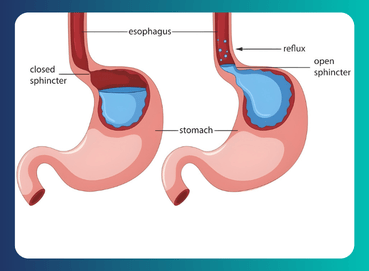
Gastroparesis is a motility disorder in which the stomach takes longer than normal to empty its contents into the small intestine, even though there is no physical blockage. Normally, coordinated contractions of the stomach wall push food forward for digestion; in gastroparesis, these contractions become weak, irregular, or poorly coordinated, most often because the vagus nerve that regulates them is damaged.
Because the leading causes — diabetes, prior stomach surgery, and certain medications — are identifiable, most patients see meaningful symptom improvement once the underlying cause is addressed and stomach motility is supported. Left unmanaged, however, gastroparesis can lead to poor blood sugar control, malnutrition, and dehydration, which is why persistent symptoms should not be managed with occasional antacids alone, and why some patients specifically look for gastroparesis treatment in Delhi rather than continuing to adjust meals on their own.
Common Symptoms of Gastroparesis
People experiencing gastroparesis typically report one or more of the following:
Nausea and Vomiting
Nausea and vomiting, sometimes involving food eaten several hours earlier.
Feeling Full Quickly
Feeling full after eating only a small portion of food.
Bloating or Abdominal Discomfort
Bloating or abdominal discomfort that develops after meals.
Reduced Appetite
Reduced appetite caused by prolonged stomach fullness.
Acid Reflux or Heartburn
Acid reflux or heartburn caused by delayed stomach emptying.
Unexplained Weight Loss
Unexplained weight loss resulting from reduced food intake.
Poor Blood Sugar Control
Unpredictable or poor blood sugar control, particularly in diabetic patients.
Persistent Indigestion
Persistent indigestion that does not settle between meals and may prompt patients to seek gastroparesis treatment in South Delhi.
Diabetic Gastroparesis and Idiopathic Gastroparesis
Gastroparesis is broadly grouped by underlying cause: diabetic gastroparesis develops when long-standing high blood sugar damages the vagus nerve, while idiopathic gastroparesis has no identifiable cause even after thorough testing, and a smaller group of cases follow stomach surgery or a viral illness. The symptoms of each group overlap considerably, though diabetic gastroparesis treatment in Delhi typically places extra emphasis on blood sugar stabilisation alongside motility medication, since poorly controlled glucose levels can itself slow stomach emptying further and blunt the response to treatment. Confirming which category a patient falls into — diabetic, post-surgical, or idiopathic — is done through a combination of medical history and gastric emptying testing rather than symptoms alone.
What Causes Gastroparesis?
Gastroparesis develops when the nerves or muscles controlling stomach contractions stop working normally. Several factors can trigger or worsen the condition, making it important to identify the underlying cause before deciding on an appropriate treatment approach.
- Diabetes, particularly when blood sugar has been poorly controlled for years
- Damage to the vagus nerve affecting stomach muscle coordination
- Certain medications that slow digestion, including some opioid painkillers and antidepressants
- Previous stomach or oesophageal surgery
- Viral infections affecting the digestive tract
- Neurological disorders such as Parkinson's disease
- Autoimmune conditions affecting nerve or muscle function
- Idiopathic gastroparesis, where no clear cause is found despite testing
Diagnosis of Gastroparesis
Doctors may recommend several diagnostic tests to evaluate stomach emptying and confirm the presence of gastroparesis.
-
Gastric Emptying Study
This is the most common test used to diagnose gastroparesis. During the test, the patient eats a small meal containing a safe radioactive substance, and imaging is used to measure how quickly food leaves the stomach.
-
Upper GI Endoscopy
An upper gastrointestinal endoscopy allows doctors to examine the stomach and upper digestive tract using a thin flexible tube with a camera to rule out blockages or other abnormalities.
-
Ultrasound or CT Scan
Imaging tests such as ultrasound or CT scans help doctors check for structural problems in the stomach or surrounding organs that may cause digestive symptoms.
-
Blood Tests
Blood tests may be performed to detect infections, nutritional deficiencies, or blood sugar levels, especially in patients with diabetes.
-
Barium Swallow Study
In this imaging test, the patient drinks a barium-containing liquid that coats the digestive tract, allowing doctors to observe the movement of food through the stomach using X-ray imaging.
Dietary and Lifestyle Tips for Gastroparesis
Making certain dietary and lifestyle adjustments can help manage the symptoms of gastroparesis and improve digestion. Proper eating habits and food choices can support better stomach emptying and reduce discomfort after meals.
- Eat small and frequent meals
- Choose soft and easily digestible foods
- Avoid high-fat and high-fiber foods
- Chew food thoroughly before swallowing
- Stay upright after meals
- Drink adequate fluids
Treatment Options for Gastroparesis
Treatment focuses on improving stomach motility, controlling symptoms, and addressing the underlying cause wherever possible.
Medications to Stimulate Stomach Muscles
Prokinetic medications help the stomach contract more effectively and empty food more quickly. They are usually the first line of treatment once gastroparesis is confirmed.
Anti-Nausea Medications
Anti-emetic medications help reduce nausea and vomiting and are often prescribed alongside prokinetic treatment, particularly during the initial weeks when symptoms are most disruptive.
Dietary Modifications
A gastroparesis diet plan in Delhi typically favours small, frequent meals of soft, low-fat, low-fibre foods that are easier for a slow-moving stomach to process. Large or high-fat meals may worsen bloating and fullness.
Blood Sugar Control for Diabetic Patients
For diabetic gastroparesis, stabilising blood sugar is part of the core treatment plan. Consistently high glucose levels can slow stomach emptying further and may reduce how well other treatments work.
Endoscopic Procedures
In selected cases that do not respond adequately to medication and diet, endoscopic options such as pyloric botulinum toxin injection or gastric per-oral endoscopic myotomy (G-POEM) may be considered to help the stomach empty more efficiently.
Surgical Treatment in Severe Cases
Surgical options such as gastric electrical stimulation or a feeding tube are reserved for severe, medication-resistant gastroparesis with significant weight loss or dehydration. Most patients seeking gastroparesis treatment without surgery in Delhi may respond to medication, dietary changes, and blood sugar control before surgical treatment becomes necessary.
Frequently Asked Questions
Find answers to common questions about gastroparesis, including its causes, symptoms, diagnosis, treatment, and when to consult a gastroenterologist.
Gastroparesis is a condition in which the stomach takes longer than normal to empty food into the small intestine, even though there is no physical blockage. It usually occurs when the nerves or muscles that control stomach contractions are not working properly.
Common symptoms include nausea, vomiting, early fullness after small meals, bloating, acid reflux, reduced appetite, and unexplained weight loss. Diabetic patients may also experience unpredictable blood sugar levels.
The most common cause is diabetes, particularly when blood sugar has been poorly controlled for a long time. Other causes include prior stomach surgery, certain medications, and vagus nerve damage. In some cases, no clear cause is found.
The main difference is the cause. Diabetic gastroparesis develops from nerve damage linked to high blood sugar, while idiopathic gastroparesis has no identifiable cause. Both are diagnosed using similar tests and generally follow a broadly similar treatment approach.
A gastric emptying study measures how quickly a meal leaves the stomach using a small, safe radioactive marker and imaging. It is the most reliable way to confirm gastroparesis rather than relying on symptoms alone.
Treatment usually involves prokinetic medication to improve stomach contractions, anti-nausea medication, dietary changes such as small frequent low-fat meals, and blood sugar control in diabetic patients. Severe, medication-resistant cases may require endoscopic or surgical treatment.
See a gastroenterologist if nausea and vomiting persist, you are unable to keep food down, you are losing weight without trying, or your blood sugar control has become difficult despite medication.
Look for a gastroenterologist with verified credentials, access to gastric emptying studies and upper GI endoscopy, and a track record of identifying the underlying cause rather than offering generic dietary advice alone.