
What Is Liver Cancer?
Liver cancer develops when cells within the liver grow abnormally and multiply without control, forming a tumor. Primary liver cancer starts in the liver itself, while secondary (metastatic) liver cancer spreads to the liver from another organ, such as the colon, lung, or breast — the two are managed very differently and should not be confused with each other during diagnosis. The most common form of primary liver cancer is hepatocellular carcinoma (HCC), which usually develops in a liver already affected by long-term disease such as chronic hepatitis B, hepatitis C, or cirrhosis. Because early liver cancer often produces no noticeable symptoms, it is frequently detected through routine monitoring in patients who already have chronic liver disease, rather than through new symptoms alone.
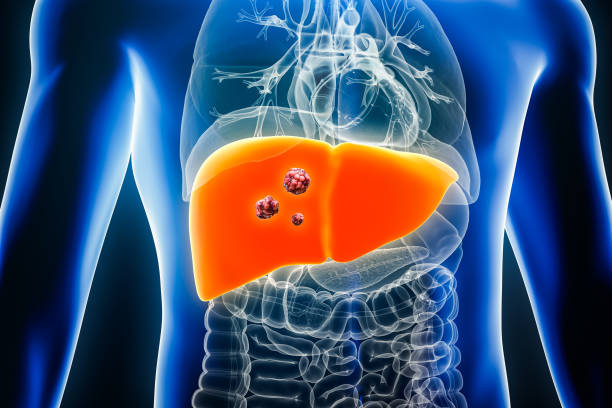
Common Symptoms of Liver Cancer
People experiencing liver cancer symptoms and treatment in Delhi searches typically report one or more of the following, particularly once the disease has progressed beyond its earliest stage:
Unexplained Weight Loss
Loss of Appetite
Pain or Discomfort
In the upper right abdomen.
Abdominal Swelling or Bloating
Sometimes from fluid build-up (ascites).
Persistent Fatigue and Weakness
Nausea or Occasional Vomiting
Jaundice
Yellowing of the skin and eyes.
Noticeably Enlarged Liver
Sometimes felt as a lump below the right rib cage.
Understanding Hepatocellular Carcinoma (HCC)
Not every liver cancer behaves the same way, and hepatocellular carcinoma treatment in Delhi is usually discussed separately from rarer liver cancers such as cholangiocarcinoma (bile duct cancer) or secondary liver tumors, because the underlying disease process and treatment approach differ. HCC accounts for the large majority of primary liver cancers and is closely linked to chronic hepatitis B or hepatitis C infection and liver cirrhosis, which is why patients with these conditions are usually advised to have regular liver monitoring — typically ultrasound and AFP blood testing every six months — so that any tumor is caught while still small enough to treat effectively.
Causes and Risk Factors of Liver Cancer
Several long-term conditions and lifestyle factors are known to increase the risk of developing liver cancer:
- Chronic hepatitis B infection
- Chronic hepatitis C infection
- Liver cirrhosis, from any underlying cause
- Non-alcoholic fatty liver disease (NAFLD) and related fatty liver conditions
- Long-term heavy alcohol consumption
- Exposure to aflatoxins, a toxin found in improperly stored grains and nuts
- Obesity and poorly controlled type 2 diabetes
- Certain inherited liver conditions, such as haemochromatosis
- Long-standing, untreated liver disease of any cause
Liver Cancer Treatment in Delhi
Liver cancer treatment in Delhi begins with confirming the diagnosis and precisely staging the disease, since the size, number, and location of tumors, along with how well the rest of the liver is functioning, determine which treatments are realistically possible. This differs from many other cancers, because in liver cancer, doctors must weigh the tumor's characteristics against the health of the liver itself, since aggressive treatment can be unsafe in a liver already weakened by cirrhosis.
For most patients, this means starting with detailed imaging and blood work, followed by a discussion involving a gastroenterologist or hepatologist, along with surgical and oncology input where relevant, before deciding between curative options such as surgery or transplantation and disease-control options such as ablation, embolization, or systemic therapy.
How Liver Cancer Is Diagnosed
Doctors typically use a combination of the following to confirm liver cancer and determine its stage:
-
Medical History and Physical Examination
A review of risk factors such as hepatitis, alcohol use, and pre-existing liver disease, along with a physical examination to check for an enlarged liver, jaundice, or fluid build-up, is usually the starting point.
-
Blood Tests, Including Liver Function Tests
Blood tests assess how well the liver is functioning and can reveal patterns suggestive of cirrhosis or cancer, even before imaging is carried out.
-
Alpha-Fetoprotein (AFP) Blood Test
The AFP test measures a protein that is often raised in people with liver cancer, and is commonly used alongside imaging for both diagnosis and monitoring response to treatment.
-
Ultrasound, CT Scan, or MRI
These imaging tests are central to liver tumor treatment in Delhi, since they identify the number, size, and location of tumors and help determine whether the cancer has spread beyond the liver.
-
Liver Biopsy
In select cases where imaging findings are unclear, a small sample of liver tissue is examined under a microscope to confirm the diagnosis, though many cases with classic imaging features do not require a biopsy.
Liver Cancer Treatment in South Delhi
For residents of South Delhi, having liver cancer treatment in South Delhi available close to home matters, because the diagnostic and treatment pathway for liver cancer usually involves several visits — imaging, blood work, a multidisciplinary treatment decision, and then treatment itself, followed by monitoring. Managing this across a long commute adds an avoidable burden at an already stressful time.
Patients searching for a liver cancer specialist in South Delhi are usually looking for the same combination of things: a clear explanation of the type and stage of cancer, prompt access to advanced imaging and AFP testing, and a treatment plan that considers both the tumor and the health of the underlying liver.
Delhi Gastro Care is based at Fortis Escorts Hospital, Okhla Road, and is accessible to patients across South Delhi neighbourhoods such as Greater Kailash, Saket, Vasant Kunj, Lajpat Nagar, and Nehru Place. Whether you are looking for a liver cancer specialist in South Delhi for a first opinion or a gastroenterologist for liver cancer in Delhi to review a tumor found on a routine scan, having hepatology expertise, imaging, and treatment planning under one roof simplifies a process that can otherwise involve multiple referrals across the city.
Your Treatment Journey: What to Expect
- Initial consultation — review of medical history, risk factors, and prior test results
- Physical examination — to check for jaundice, an enlarged liver, or fluid build-up
- Staging investigations — blood tests including AFP, and imaging such as ultrasound, CT, or MRI
- Multidisciplinary treatment planning — a personalised plan matched to tumor stage and liver function
- Treatment and follow-up — the chosen treatment followed by regular monitoring for recurrence
Treatment Options for Liver Cancer
Treatment is matched to the stage of the cancer, the number and size of tumors, and how well the rest of the liver is functioning, rather than being the same for every patient.
-
Surgical Removal of the Tumor (Liver Resection)
Liver cancer surgery in Delhi may involve removing the portion of the liver containing the tumor, and is generally considered when the cancer is confined to a resectable area and the remaining liver is healthy enough to compensate.
-
Liver Transplantation
Liver transplant for liver cancer in Delhi is considered for selected patients, particularly those with small tumors and significant underlying cirrhosis, since transplantation treats both the cancer and the diseased liver it developed in.
-
Radiofrequency and Other Ablative Therapies
Techniques such as radiofrequency ablation use heat to destroy small tumors directly and are often suitable for patients who are not candidates for surgery.
-
Transarterial Chemoembolization (TACE)
TACE delivers chemotherapy directly into the blood vessels feeding the tumor while blocking its blood supply, and is commonly used for tumors that cannot be surgically removed but have not spread outside the liver.
-
Targeted Therapy
Targeted therapy uses medication that specifically interferes with the growth signals cancer cells depend on, and is generally used for more advanced liver cancer that cannot be treated with surgery or ablation.
-
Chemotherapy
Chemotherapy uses medication to slow or stop the growth of cancer cells and may be used when the cancer has spread beyond the liver or other treatments are not suitable.
-
Radiation Therapy
Radiation therapy directs high-energy beams at the tumor to damage cancer cells and can be used to control tumor growth or relieve symptoms in certain cases.
-
Immunotherapy
Immunotherapy helps the body's own immune system recognise and attack cancer cells, and has become an increasingly important option for advanced liver cancer.
Doctors choose the most suitable combination of these based on tumor stage, liver function, and overall health, rather than applying a single standard protocol to every patient.
Lifestyle Tips and Prevention
- Get vaccinated against hepatitis B
- Seek prompt treatment for hepatitis B or hepatitis C infection
- Limit alcohol consumption
- Maintain a healthy body weight
- Manage diabetes and blood sugar levels
- Eat a balanced, nutritious diet and avoid improperly stored grains or nuts
- Schedule regular liver health check-ups if you have chronic liver disease
When to See a Liver Specialist
Anyone with a known chronic liver condition such as hepatitis B, hepatitis C, or cirrhosis should have regular liver monitoring rather than waiting for symptoms to appear, since early liver cancer is often symptom-free. Anyone experiencing unexplained weight loss, persistent upper right abdominal pain, jaundice, or abdominal swelling should consult a gastroenterologist or hepatologist promptly rather than attributing these to routine digestive issues.
Choosing a Liver Cancer Specialist in Delhi
Because liver cancer treatment decisions depend on both the tumor and the underlying liver disease, choosing a liver cancer specialist in Delhi who evaluates both together — rather than treating the tumor in isolation — makes a meaningful difference to outcomes. The best doctor for liver cancer in Delhi will coordinate with surgeons, radiologists, and oncologists where needed, rather than working from a single-specialty view of the disease.
A few things worth checking before your first visit:
- Verified medical qualification and registration in gastroenterology / hepatology
- On-site or nearby access to AFP testing, cross-sectional imaging, and liver biopsy
- Experience managing hepatitis B, hepatitis C, and cirrhosis-related liver cancer
- A clear explanation of tumor stage and the reasoning behind the recommended treatment
- Coordinated access to surgical, interventional, and oncology treatment when required
At Delhi Gastro Care, Dr. (Brig) Pankaj Puri — a gastroenterologist for liver cancer in Delhi practising at Fortis Escorts, Okhla — holds DM Gastroenterology training from PGIMER, Chandigarh, and FRCP qualifications from Edinburgh and London. He is the Director of Gastroenterology and Hepatology at the Fortis Escorts Liver and Digestive Diseases Institute and a Governing Council member of the Indian National Association for Study of the Liver. Diagnostic facilities relevant to liver cancer, including AFP testing, FibroScan, and imaging-guided liver biopsy, are available on-site.
Frequently Asked Questions
Find answers to common questions about liver cancer, including its symptoms, causes, diagnosis, and available treatment options.
Liver cancer is a condition in which abnormal cells grow uncontrollably in the liver. The most common type is hepatocellular carcinoma (HCC), which usually develops in people with chronic liver disease such as hepatitis B, hepatitis C, or cirrhosis.
Symptoms may include unexplained weight loss, loss of appetite, pain or swelling in the upper right abdomen, fatigue, nausea, jaundice, and an enlarged liver. Early-stage liver cancer often causes no symptoms at all.
Liver cancer is often linked to chronic hepatitis B or hepatitis C infection, cirrhosis, non-alcoholic fatty liver disease, long-term heavy alcohol use, obesity, diabetes, and exposure to certain toxins such as aflatoxins.
Diagnosis usually involves blood tests including liver function tests and the AFP test, imaging such as ultrasound, CT, or MRI, and in select cases a liver biopsy to confirm the findings.
Treatment depends on the stage of the cancer and liver function, and may include surgery, liver transplantation, radiofrequency ablation, transarterial chemoembolization (TACE), targeted therapy, chemotherapy, radiation therapy, or immunotherapy.
No. Hepatocellular carcinoma (HCC) is the most common primary liver cancer, but rarer types such as cholangiocarcinoma exist, and cancer that has spread to the liver from another organ (secondary or metastatic liver cancer) is managed differently from primary liver cancer.
While not all cases can be prevented, risk can be reduced through hepatitis B vaccination, prompt treatment of hepatitis infections, limiting alcohol intake, maintaining a healthy weight, managing diabetes, and regular liver monitoring for those with existing chronic liver disease.
Look for a gastroenterologist or hepatologist with verified credentials, on-site or nearby access to AFP testing, imaging, and biopsy, and a track record of coordinating with surgical and oncology teams for staged, multidisciplinary treatment.