
Celiac Disease Treatment in Delhi
Chronic diarrhea or constipation, bloating and abdominal pain after meals, ongoing fatigue, or unexplained weight loss are among the most common reasons people search for celiac disease treatment in Delhi — not because occasional digestive upset is unusual, but because these symptoms tend to persist and worsen as long as gluten remains part of the diet.
Celiac disease — sometimes searched by patients as gluten intolerance treatment in Delhi — is an autoimmune condition in which the body's immune system reacts abnormally to gluten, a protein found in wheat, barley, and rye, damaging the lining of the small intestine and interfering with nutrient absorption. This page explains what causes celiac disease, how it differs from gluten intolerance and wheat allergy, how it is diagnosed, and what treatment typically involves. Whether you are elsewhere in the city or specifically looking for celiac disease treatment in South Delhi, the process starts with confirming the diagnosis through blood tests and, where needed, a small intestine biopsy.
What Is Celiac Disease?
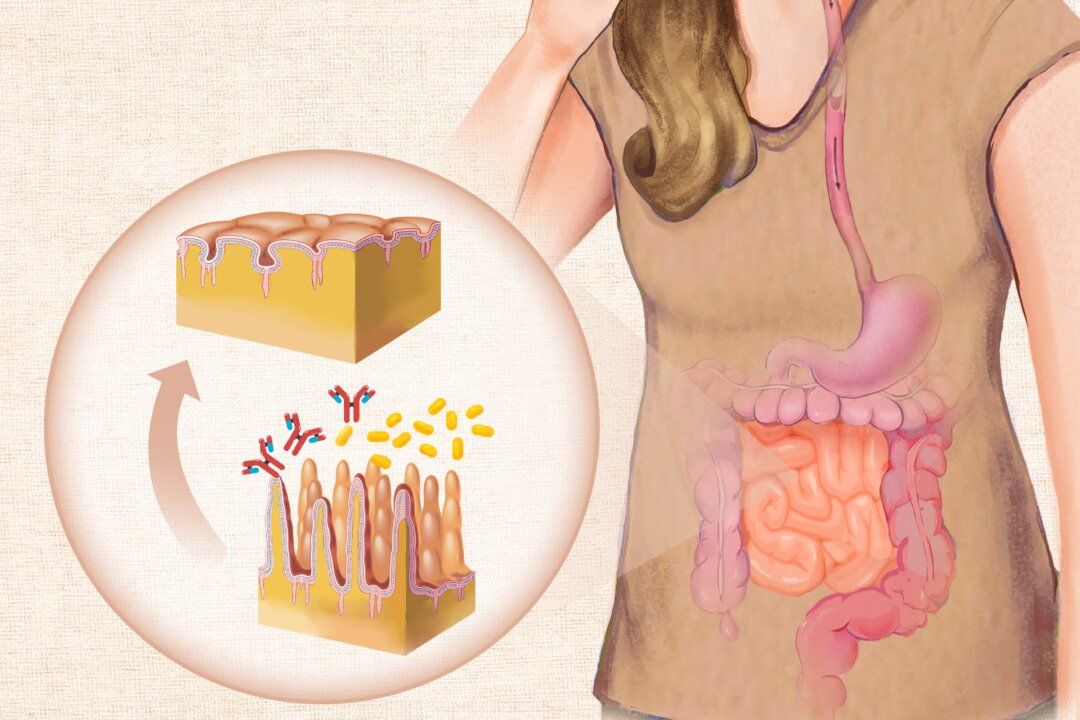
Celiac disease is an autoimmune disorder in which consuming gluten triggers the immune system to attack the lining of the small intestine, causing inflammation and, over time, damage to the villi that normally absorb nutrients from food. Because this damage builds up gradually, many patients live with digestive symptoms and nutrient deficiencies for years before a diagnosis is confirmed. The condition can affect people of any age, and once gluten is fully removed from the diet, the intestinal lining generally begins to heal, which is why early diagnosis and consistent dietary management make a meaningful difference to long-term health.
Common Symptoms of Celiac Disease
People with celiac disease typically report one or more of the following:
Chronic Diarrhea or Constipation
Chronic diarrhea or constipation due to inflammation and damage in the small intestine.
Abdominal Pain, Gas, or Bloating
Persistent abdominal pain, gas, or bloating after consuming gluten-containing foods.
Nausea and Vomiting
Nausea or occasional vomiting after eating gluten.
Unexplained Weight Loss
Unexplained weight loss caused by poor nutrient absorption.
Fatigue or Weakness
Ongoing fatigue or weakness linked to nutrient deficiencies.
Nutrient Deficiencies
Deficiencies in iron, calcium, or vitamins caused by malabsorption.
Skin Rash (Dermatitis Herpetiformis)
An itchy, blistering skin rash — dermatitis herpetiformis — that some patients notice before digestive symptoms are recognised, and which needs prompt dermatitis herpetiformis treatment in Delhi rather than being managed as a skin condition alone.
Delayed Growth in Children
Delayed growth or poor weight gain in children, which often prompts parents to search specifically for celiac disease in children treatment in Delhi.
Celiac Disease, Gluten Intolerance, and Wheat Allergy: What's the Difference?
These three terms are often used interchangeably by patients but describe different conditions. Celiac disease is an autoimmune reaction that damages the small intestine and requires lifelong avoidance of gluten. Gluten (or non-celiac gluten) intolerance causes similar digestive discomfort — bloating, diarrhea, or fatigue — but does not involve immune-mediated intestinal damage, so patients searching for gluten intolerance treatment in Delhi may need a different diagnostic approach than those with confirmed celiac disease. Wheat allergy is a distinct, immune-mediated but non-autoimmune reaction that can cause more immediate symptoms such as hives or breathing difficulty. Because the management of each differs, and because symptoms overlap considerably with conditions such as irritable bowel syndrome or inflammatory bowel disease, distinguishing between them through proper testing is an important early step rather than assuming a gluten-free diet is the right response to any digestive discomfort.
Diagnosis of Celiac Disease
Doctors may recommend several diagnostic tests to confirm celiac disease and assess the damage caused to the small intestine.
-
Blood Tests for Specific Antibodies
Blood tests are commonly used to detect antibodies such as tissue transglutaminase (tTG) and endomysial antibodies (EMA), which are often elevated in people with celiac disease.
-
Upper GI Endoscopy
An upper gastrointestinal endoscopy allows doctors to examine the lining of the small intestine using a thin flexible tube with a camera to look for signs of inflammation or damage.
-
Small Intestine Biopsy
During endoscopy, a small tissue sample from the small intestine may be taken for biopsy. This helps confirm the diagnosis by identifying damage to the intestinal lining.
-
Genetic Testing
Genetic testing may be performed to check for specific genes (HLA-DQ2 and HLA-DQ8) associated with celiac disease, especially in individuals with a family history of the condition.
-
Nutritional Deficiency Assessment
Doctors may also evaluate vitamin and mineral levels such as iron, calcium, and vitamin B12 to identify nutritional deficiencies caused by poor nutrient absorption.
What Causes Celiac Disease?
Celiac disease develops when the immune system reacts abnormally to gluten in genetically susceptible individuals. Several factors are known to increase risk:
- Genetic predisposition, particularly the HLA-DQ2 and HLA-DQ8 gene variants
- A family history of celiac disease
- Other autoimmune disorders, including type 1 diabetes
- Thyroid disease
- Early exposure to gluten in genetically susceptible individuals
- Certain digestive infections or significant physical stress that may trigger onset in predisposed individuals
Celiac Disease Treatment in Delhi
Celiac disease treatment in Delhi begins with confirming the diagnosis through antibody blood tests and, where indicated, a small intestine biopsy, since starting a gluten-free diet before testing can make later diagnosis more difficult. Once celiac disease is confirmed, the cornerstone of treatment is a strict, lifelong gluten-free diet, supported by correction of any nutrient deficiencies and periodic monitoring to confirm that the small intestine is healing as expected.
For most patients, this means an initial consultation and testing, a structured dietary plan developed with guidance from the treating gastroenterologist, and a follow-up review rather than a one-time dietary change that is never reassessed.
How Celiac Disease Is Diagnosed
Doctors may use a combination of the following to confirm celiac disease and assess the extent of intestinal involvement:
Blood Tests for Specific Antibodies
Celiac disease testing in Delhi typically starts with blood tests to detect antibodies such as tissue transglutaminase (tTG) and endomysial antibodies (EMA), which are usually elevated in people with active celiac disease.
Upper GI Endoscopy
An upper gastrointestinal endoscopy allows doctors to examine the lining of the small intestine directly using a thin, flexible tube with a camera, checking for visible signs of inflammation or damage.
Small Intestine Biopsy
During endoscopy, a small tissue sample from the small intestine may be taken for biopsy, which remains the most definitive way to confirm villous damage and establish the diagnosis.
Genetic Testing
Testing for the HLA-DQ2 and HLA-DQ8 genes may be used, particularly in individuals with a family history of celiac disease or where antibody results are inconclusive.
Nutritional Deficiency Assessment
Doctors also evaluate vitamin and mineral levels such as iron, calcium, and vitamin B12 to identify deficiencies caused by poor nutrient absorption and to guide supplementation.
Celiac Disease Treatment in South Delhi
For residents of South Delhi, having celiac disease treatment in South Delhi available close to home matters because confirming a diagnosis, starting a structured gluten-free diet, and reviewing nutrient levels usually takes more than one visit. Initial evaluation, antibody testing or biopsy where needed, and a follow-up review to confirm intestinal healing is a process that is far more manageable when the clinic is not a long drive away.
Patients searching for a celiac disease specialist in South Delhi are usually looking for the same combination of things: a clear explanation of whether celiac disease, gluten intolerance, or another condition is responsible, prompt access to antibody testing or endoscopy if needed, and dietary guidance that goes beyond a generic gluten-free food list.
Delhi Gastro Care is based at Fortis Escorts Hospital, Okhla Road, and is accessible to patients across South Delhi neighbourhoods such as Greater Kailash, Saket, Vasant Kunj, Lajpat Nagar, and Nehru Place. Whether you are looking for a celiac disease specialist in South Delhi for a first opinion or a gastroenterologist for celiac disease in Delhi to review symptoms that persist despite dietary changes, having testing and treatment under one roof simplifies the process considerably.
Choosing a Celiac Disease Specialist in Delhi
Because celiac disease symptoms overlap with several other digestive conditions and because an accurate diagnosis depends on testing before dietary change, choosing a celiac disease specialist in Delhi who confirms the diagnosis properly makes a meaningful difference to long-term outcomes. The best doctor for celiac disease in Delhi will look beyond symptom relief and confirm the diagnosis with antibody testing or biopsy before recommending a lifelong dietary change.
A few things worth checking before your first visit:
- Verified medical qualification and registration in gastroenterology
- On-site or nearby access to antibody testing, upper GI endoscopy, and biopsy
- A clear explanation of whether celiac disease, gluten intolerance, or another condition is responsible
- Experience managing nutrient deficiencies, pediatric celiac disease, and associated autoimmune conditions
- A treatment plan that combines dietary guidance with periodic monitoring rather than a one-time diet handout
At Delhi Gastro Care, Dr. (Brig) Pankaj Puri — a gastroenterologist for celiac disease in Delhi practising at Fortis Escorts, Okhla — holds DM Gastroenterology training from PGIMER, Chandigarh, and FRCP qualifications from Edinburgh and London. He is the Director of Gastroenterology and Hepatology at the Fortis Escorts Liver and Digestive Diseases Institute and a Governing Council member of the Indian National Association for Study of the Liver. Diagnostic facilities relevant to celiac disease, including antibody testing, upper GI endoscopy, and biopsy, are available on-site.
Treatment Options for Celiac Disease
Treatment focuses on removing gluten from the diet completely, correcting nutrient deficiencies, and confirming that the small intestine heals over time.
Eliminating Gluten from the Diet
A strict, lifelong gluten-free diet is the primary and only definitive treatment for celiac disease. Working with a gluten-free diet doctor in Delhi to identify hidden sources of gluten and avoid cross-contamination during food preparation is essential, since even small, repeated amounts of gluten can continue to damage the small intestine.
Nutritional Supplements
Iron, calcium, vitamin D, vitamin B12, and folate supplements are commonly prescribed to correct deficiencies caused by malabsorption while the intestine recovers its normal absorptive capacity.
Treatment of Vitamin & Mineral Deficiencies
Beyond general supplementation, specific deficiencies identified on blood testing — such as significant anemia or low bone density from calcium and vitamin D deficiency — are treated individually and monitored until they resolve.
Monitoring Intestinal Healing
Follow-up antibody testing, and in some cases a repeat endoscopy and biopsy, is used to confirm that the small intestine is healing on a gluten-free diet, rather than assuming improvement in symptoms alone means the intestine has fully recovered.
Regular Medical Follow-ups
Because celiac disease is a lifelong condition, periodic review helps catch dietary gluten exposure early, track bone health and nutrient levels over time, and screen for associated autoimmune conditions such as thyroid disease.
Frequently Asked Questions
Find answers to common questions about celiac disease, including its symptoms, causes, diagnosis, and treatment options.
Celiac disease is an autoimmune disorder in which the immune system reacts to gluten, a protein found in wheat, barley, and rye, damaging the lining of the small intestine and affecting the body's ability to absorb nutrients.
Common symptoms include chronic diarrhea or constipation, abdominal pain, bloating, fatigue, unexplained weight loss, and nutrient deficiencies. Some people also develop a skin rash known as dermatitis herpetiformis.
Celiac disease is caused by an abnormal immune response to gluten in genetically susceptible individuals. It is more common in people with a family history of celiac disease or other autoimmune disorders such as type 1 diabetes and thyroid disease.
No. Celiac disease is an autoimmune condition that damages the small intestine, gluten intolerance causes similar digestive discomfort without that immune-mediated damage, and wheat allergy is a separate, immune-mediated allergic reaction. Each is diagnosed and managed differently.
Diagnosis usually involves blood tests for tTG and EMA antibodies, followed by an upper GI endoscopy with a small intestine biopsy to confirm the diagnosis. Genetic testing may be used in specific cases.
The main treatment is a strict, lifelong gluten-free diet. Doctors may also recommend nutritional supplements to correct deficiencies and regular follow-up to monitor intestinal healing.
Yes. Celiac disease in children can cause delayed growth, poor weight gain, and persistent digestive symptoms. Early diagnosis and a well-managed gluten-free diet allow most children to catch up on growth over time.
Look for a gastroenterologist with verified credentials, on-site or nearby access to antibody testing and endoscopy with biopsy, and a track record of confirming the diagnosis before recommending a lifelong dietary change.