
What Is H. Pylori Infection?
H. pylori infection develops when the Helicobacter pylori bacteria colonise the lining of the stomach, weakening its protective barrier and allowing stomach acid to cause inflammation. Left unaddressed, this inflammation — commonly known as gastritis — can progress to a stomach or duodenal ulcer, and in a small proportion of long-standing, untreated cases, has been linked to a higher risk of stomach cancer. Because many people carry the bacteria for years without noticeable symptoms, gastritis treatment in Delhi often begins only after testing confirms an active infection, rather than after symptoms alone.
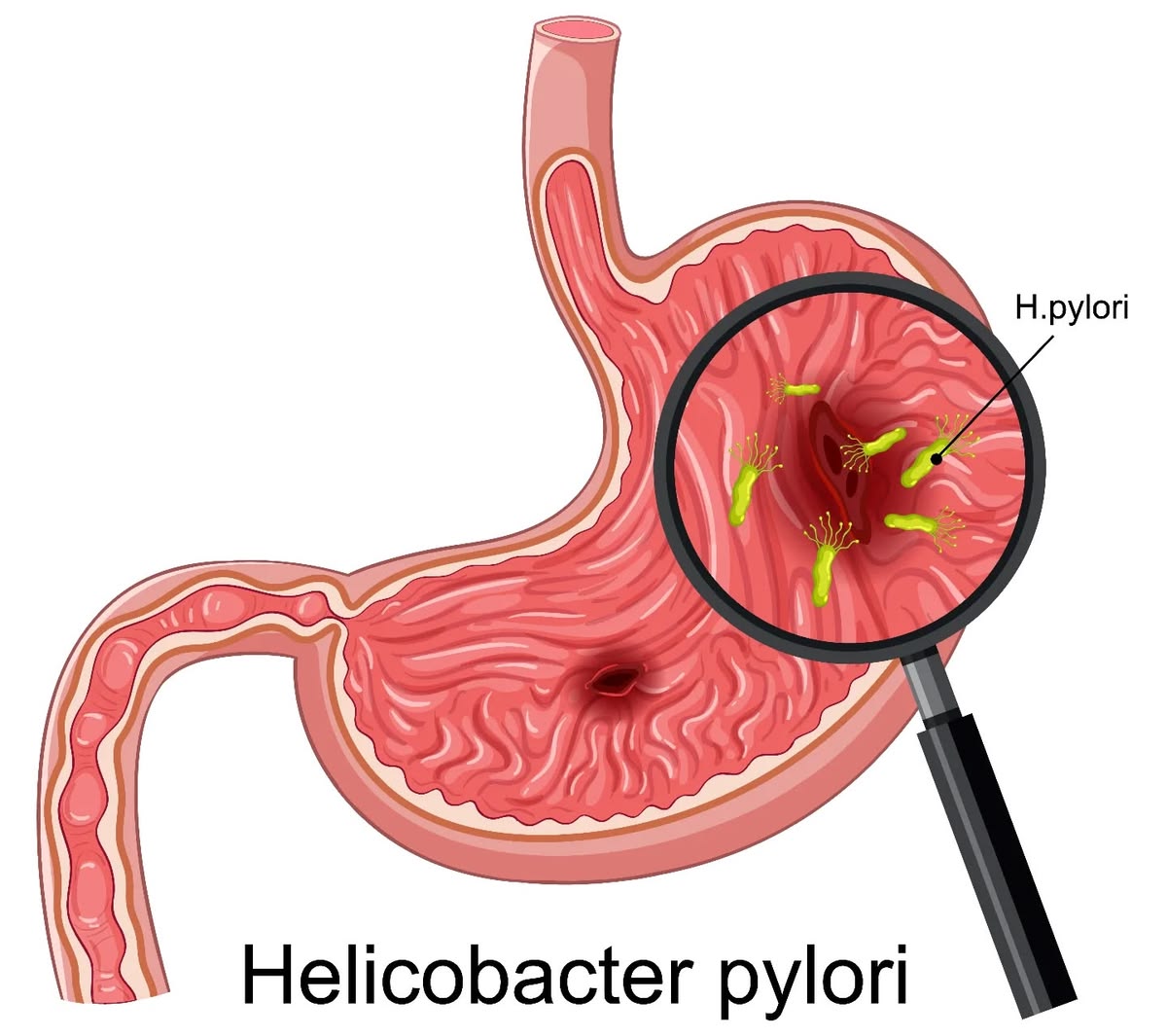
Common Symptoms of H. Pylori Infection
People experiencing symptoms who go on to search for H. pylori infection treatment in Delhi typically report one or more of the following:
Burning Stomach Pain
Burning stomach pain, especially when the stomach is empty.
Frequent Indigestion
Frequent indigestion or discomfort after eating.
Bloating & Gas
Bloating and excessive gas.
Nausea or Vomiting
Nausea or occasional vomiting.
Reduced Appetite
Reduced appetite due to persistent stomach discomfort.
Frequent Burping
Frequent burping.
Unexplained Weight Loss
Unexplained weight loss.
Dark or Black Stools
Dark or black stools, which may indicate bleeding and need immediate medical attention.
Causes and Risk Factors of H. Pylori Infection
H. pylori infection spreads through contaminated food, unsafe drinking water, or close contact with an infected person, including shared utensils or drinks. Several everyday factors can increase the likelihood of infection or delay its detection:
- Poor personal hygiene or inadequate sanitation
- Eating contaminated food or drinking unsafe water
- Living in crowded or overcrowded conditions
- Sharing food, utensils, or drinks with an infected person
- A weakened immune system
- Poor food handling and preparation practices
If left untreated, H. pylori infection can progress to gastritis, a gastric ulcer, or peptic ulcer disease, and, less commonly, to stomach cancer. This is why peptic ulcer and H. pylori treatment in Delhi are often discussed together — the two conditions frequently overlap, and treating the underlying infection is central to healing the ulcer and preventing recurrence.
H. Pylori Infection Treatment in Delhi
H. pylori infection treatment in Delhi begins with confirming the infection through a breath, stool, or biopsy-based test, since symptoms alone — or even a visible ulcer on endoscopy — cannot confirm whether H. pylori is the underlying cause. Once confirmed, treatment is built around a combination approach: eliminating the bacteria with antibiotics, reducing stomach acid to allow the lining to heal, and confirming eradication with follow-up testing.
For most patients, this means a structured antibiotic course lasting one to two weeks, paired with acid-suppressing medication, followed by confirmation testing four or more weeks after treatment ends to verify the infection has cleared.
Diagnosis of H. pylori Infection
Accurate diagnosis of H. pylori infection is essential for effective treatment. Depending on your symptoms and medical history, your gastroenterologist may recommend one or more of the following diagnostic tests.
-
Urea Breath Test
One of the most accurate non-invasive tests for H. pylori infection. After drinking a special solution, your breath is analyzed for carbon dioxide produced by the bacteria.
-
Stool Antigen Test
Detects H. pylori antigens in the stool and is commonly used to diagnose an active infection as well as confirm successful treatment.
-
Blood Test
Blood tests identify antibodies against H. pylori, which may indicate a current or previous infection, although they are less commonly used for active diagnosis.
-
Upper GI Endoscopy with Biopsy
An upper gastrointestinal endoscopy allows the doctor to examine the stomach lining directly. A small tissue sample (biopsy) may be collected for laboratory testing to detect H. pylori and assess any stomach damage.
-
Rapid Urease Test
During an endoscopy, the biopsy sample can be tested using a rapid urease test, which quickly confirms the presence of Helicobacter pylori bacteria.
Lifestyle and Prevention Tips for H. pylori Infection
Although H. pylori infection cannot always be prevented, following good hygiene and healthy lifestyle practices can help reduce the risk of infection. Since the bacteria may spread through contaminated food, water, or close personal contact, maintaining proper sanitation and food safety is essential for protecting your digestive health.
- Wash your hands thoroughly before eating and after using the restroom.
- Drink clean, filtered, or boiled water whenever possible.
- Avoid contaminated, unhygienic, or undercooked food.
- Maintain good personal hygiene and a clean living environment.
- Follow safe food handling and preparation practices at home.
- Consult a gastroenterologist if persistent stomach pain, bloating, or indigestion develops.
Treatment Options for H. pylori Infection
Treatment for H. pylori infection focuses on eliminating the bacteria, reducing stomach acid, relieving symptoms, and allowing the stomach lining to heal. Your gastroenterologist will recommend a personalized treatment plan based on your symptoms and test results.
Combination Antibiotic Therapy
A combination of prescribed antibiotics is used to effectively eliminate H. pylori bacteria from the stomach lining.
Proton Pump Inhibitors (PPIs)
PPIs reduce stomach acid production, helping the stomach lining heal while antibiotics work to clear the infection.
Acid-Reducing Medications
Additional acid-reducing medicines may be prescribed to relieve symptoms such as burning pain, acidity, and indigestion during recovery.
Stomach Lining Protection
Protective medications help coat the stomach lining, reduce irritation, and promote healing while treatment is ongoing.
Follow-up Testing
Repeat H. pylori breath, stool, or other recommended tests are performed after treatment to confirm the infection has been completely eradicated.
Frequently Asked Questions
Find answers to common questions about Helicobacter pylori (H. pylori) infection, including its symptoms, causes, diagnosis, treatment, and when to seek medical care.
H. pylori infection is caused by the Helicobacter pylori bacteria that infect the lining of the stomach. It can lead to inflammation (gastritis), stomach ulcers, and other digestive problems if left untreated.
Common symptoms include burning stomach pain, bloating, frequent indigestion, nausea, loss of appetite, frequent burping, unexplained weight loss, and in severe cases, dark or black stools caused by stomach bleeding.
H. pylori infection can spread through contaminated food or water, poor hygiene practices, or close contact with an infected person, including sharing food, drinks, or eating utensils.
Treatment usually involves a combination of antibiotics to eliminate the bacteria, along with acid-suppressing medications such as proton pump inhibitors, to help the stomach heal. Follow-up testing is generally recommended to confirm the infection has been completely eradicated.
Not exactly. H. pylori is a bacterial infection, while gastritis and stomach ulcers are conditions that can result from it. Left untreated, the infection can progress to gastritis and, in some cases, a gastric or peptic ulcer, which is why peptic ulcer and H. pylori treatment in Delhi are often addressed together.
See a gastroenterologist if you experience persistent burning stomach pain, bloating, indigestion, nausea, vomiting, unexplained weight loss, or dark stools. Early diagnosis and treatment can help prevent complications such as gastritis and peptic ulcers.
Reinfection is uncommon but possible, particularly with continued exposure to contaminated food or water. This is one reason follow-up testing after H. pylori antibiotic treatment in Delhi is recommended, to confirm eradication rather than assume it based on symptom relief.
Look for a gastroenterologist with verified credentials, on-site or nearby access to breath testing and endoscopy with biopsy, and a clear plan for follow-up testing after antibiotic treatment rather than a single prescription with no confirmation step.
Why Choose Dr. Pankaj Puri for H. pylori Treatment in South Delhi?
Dr. (Brig) Pankaj Puri offers comprehensive diagnosis and treatment for H. pylori infection, combining decades of clinical expertise with advanced diagnostic facilities to provide personalized care for every patient.
Convenient South Delhi Location
Consult at Fortis Escorts Liver & Digestive Diseases Institute, Okhla Road, conveniently accessible from across South Delhi.
38+ Years of Experience
Over 38 years of expertise in gastroenterology, digestive disorders, and H. pylori infection treatment.
Internationally Qualified Specialist
FRCP (London & Edinburgh) with advanced training in interventional endoscopy and complex gastrointestinal diseases.
Advanced Diagnosis & Treatment
On-site H. pylori Breath Test, upper GI endoscopy with biopsy, and personalized antibiotic treatment plans for effective care.
Trusted Across South Delhi
Preferred by patients from Okhla, Kalkaji, Nehru Place, Greater Kailash, Sarita Vihar, Jasola, and New Friends Colony for expert digestive care.