
What Is Acute Hepatitis?
Acute hepatitis refers to sudden inflammation of the liver, an organ responsible for detoxifying the body, producing bile for digestion, and processing nutrients. Because the leading causes — viral infection, alcohol, medication, toxin exposure, and autoimmune activity — are each identifiable and treatable, most patients recover completely once the cause is confirmed and appropriate supportive care begins. Left unrecognised, however, acute hepatitis can occasionally progress to more serious liver dysfunction, which is why persistent symptoms should not be dismissed as a passing stomach bug, and why some patients specifically look for jaundice treatment in Delhi rather than waiting to see if the yellowing resolves on its own.
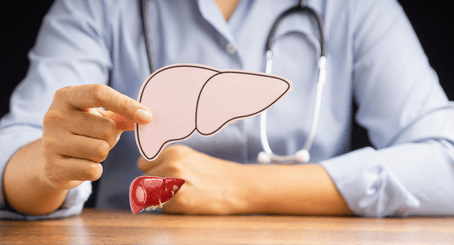
Common Symptoms of Acute Hepatitis
People with acute hepatitis typically report one or more of the following:
Persistent Fatigue and Weakness
Persistent tiredness and weakness caused by inflammation of the liver.
Loss of Appetite
Reduced desire to eat due to liver dysfunction and digestive discomfort.
Nausea and Vomiting
Nausea and episodes of vomiting may occur during acute hepatitis.
Upper Right Abdominal Pain
Pain or discomfort may develop in the upper right side of the abdomen, where the liver is located.
Dark-Coloured Urine
Urine may become darker than usual because of excess bilirubin in the body.
Jaundice
Yellowing of the skin and eyes caused by bilirubin buildup in the bloodstream.
Fever
Mild to moderate fever may occur as the body responds to infection or inflammation.
Joint Pain and Body Aches
Joint pain and general body aches may occur alongside other symptoms of acute hepatitis.
Confusion or Drowsiness
Confusion or unusual drowsiness can be a warning sign requiring prompt medical assessment.
Easy Bruising
Unusually easy bruising may indicate significant liver dysfunction and should not be ignored.
Warning Signs of Severe Hepatitis
Confusion, drowsiness, or easy bruising may require prompt fulminant hepatitis treatment in Delhi rather than a wait-and-watch approach.
Causes of Acute Hepatitis
Acute hepatitis can develop due to several factors that cause inflammation and damage to the liver. These causes may include infections, alcohol use, medications, or exposure to harmful substances. Identifying the underlying cause is important for proper treatment and prevention of further liver damage.
- Viral hepatitis infections (Hepatitis A, B, C, D, and E)
- Excessive alcohol consumption
- Drug-induced liver injury
- Exposure to toxins or harmful chemicals
- Autoimmune liver disease
- Certain metabolic disorders
Acute Hepatitis Treatment in Delhi
Acute hepatitis treatment in Delhi begins with confirming whether a virus, alcohol, medication, toxin, or an autoimmune condition is responsible, since the treatment plan differs depending on the cause. Hepatitis A and B treatment in Delhi typically means supportive care and monitoring for hepatitis A, which is usually self-limiting, while hepatitis B may require antiviral medication depending on how the infection is progressing.
For most patients, this means starting with liver function testing and viral screening, then following a defined course of supportive care and monitoring rather than waiting to see whether symptoms settle on their own.
Diagnosis of Acute Hepatitis
Doctors may recommend several tests to diagnose acute hepatitis and determine its underlying cause.
-
Blood Tests (Liver Function Tests)
Blood tests are performed to measure liver enzymes and evaluate how well the liver is functioning. Elevated enzyme levels may indicate liver inflammation or damage.
-
Viral Hepatitis Screening
Specific blood tests are used to detect viral infections such as hepatitis A, B, C, D, or E, which are common causes of acute hepatitis.
-
Ultrasound of the Liver
An ultrasound helps doctors examine the liver's size, structure, and any signs of inflammation or other abnormalities.
-
CT Scan or MRI
Advanced imaging tests such as CT scan or MRI provide detailed images of the liver and surrounding organs to detect complications.
-
Liver Biopsy
In certain cases, a liver biopsy may be recommended to analyze a small sample of liver tissue and confirm the severity or cause of liver inflammation.
Lifestyle Tips for Liver Recovery
Healthy lifestyle habits can help support liver healing and improve overall liver function. Making positive changes in daily routines and following medical advice can assist in faster recovery and prevent further liver damage.
- Eat a balanced and nutritious diet
- Avoid alcohol and harmful substances
- Stay well hydrated
- Get adequate rest
- Follow doctor's instructions carefully
- Maintain regular medical follow-ups
Treatment Options for Acute Hepatitis
Treatment for acute hepatitis depends on the underlying cause and the severity of the condition. Early diagnosis and proper medical care can help manage symptoms, support liver recovery, and prevent complications.
Antiviral Medications
Antiviral medications may be prescribed for certain types of viral hepatitis to help control the infection.
Supportive Care and Adequate Rest
Adequate rest and supportive medical care help the body recover while reducing stress on the liver.
Adequate Hydration and Balanced Nutrition
Maintaining proper hydration and following a nutritious diet support liver healing and overall recovery.
Avoid Alcohol and Harmful Substances
Avoiding alcohol and other substances that may damage the liver is essential during recovery.
Medications to Relieve Symptoms
Doctors may recommend medications to help relieve symptoms such as nausea, fever, or discomfort.
Regular Monitoring of Liver Function
Regular liver function tests help monitor recovery and ensure the liver is healing properly.
Frequently Asked Questions
Find answers to common questions about acute hepatitis, including its symptoms, causes, treatment, and when urgent medical care may be needed.
Acute hepatitis is a sudden inflammation of the liver that usually develops over a short period of time. It is commonly caused by viral infections, alcohol consumption, medications, toxins, or autoimmune conditions.
Common symptoms include fatigue, nausea, vomiting, loss of appetite, abdominal pain in the upper right side, dark urine, fever, and yellowing of the skin and eyes (jaundice).
Acute hepatitis can be caused by viral infections such as hepatitis A, B, C, D, and E. Other causes include excessive alcohol use, drug-induced liver injury, autoimmune disease, or exposure to harmful chemicals.
Viral hepatitis is caused by one of the hepatitis viruses (A through E) and is diagnosed through blood screening, while non-viral hepatitis is caused by factors such as alcohol, medications, toxins, or the immune system attacking the liver. Treatment is guided by which type is confirmed.
Treatment depends on the underlying cause. It may include antiviral medications for certain types of viral hepatitis, rest, proper hydration and nutrition, avoiding alcohol and harmful substances, and regular monitoring of liver function.
Consult a liver specialist if you notice jaundice, persistent fatigue, dark urine, abdominal pain, or fever, as prompt diagnosis helps prevent complications and supports faster recovery.
Fulminant hepatitis is a rare, rapid form of liver inflammation that affects the liver’s ability to function. Confusion, drowsiness, or unusual bruising alongside jaundice are warning signs that need urgent hospital-based care rather than outpatient treatment.
Look for a specialist with verified credentials, on-site or nearby access to liver function testing and viral screening, and a track record of identifying the underlying cause rather than treating symptoms alone.
Why Choose Dr. Pankaj Puri for Acute Hepatitis Treatment in South Delhi?
Expert liver care with advanced diagnosis, personalized treatment, and more than 38 years of experience in managing liver diseases.
Convenient Location
Conveniently located at Fortis Escorts, Okhla Road — easily accessible from across South Delhi.
38+ Years of Experience
38+ years of experience in gastroenterology and liver disease management.
FRCP (London & Edinburgh) Qualified
FRCP (London & Edinburgh) qualified, with specialized training in interventional endoscopy.
Advanced Liver Testing
Comprehensive liver function testing, viral screening, and personalized treatment plans.
Trusted by Patients Across South Delhi
Trusted by patients from Okhla, Kalkaji, Nehru Place, Greater Kailash, Sarita Vihar, Jasola & New Friends Colony.