
What Is Stomach Cancer?
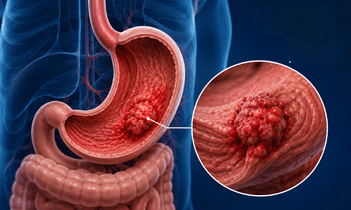
Stomach cancer develops when cells in the stomach lining grow and divide abnormally, forming a tumour. It is often linked to long-standing risk factors such as H. pylori infection or chronic gastritis that have irritated the stomach lining for years before cancer develops. Because early-stage stomach cancer frequently causes minimal or no symptoms, it is sometimes found incidentally during endoscopy performed for other reasons, which is one reason gastroenterologists recommend prompt evaluation of persistent digestive symptoms rather than waiting for them to resolve on their own.
Common Symptoms of Stomach Cancer
People experiencing symptoms who go on to search for stomach cancer treatment in Delhi typically report one or more of the following:
Persistent Stomach Pain
Persistent stomach pain or discomfort that does not improve over time.
Loss of Appetite
Loss of appetite.
Unexplained Weight Loss
Unexplained weight loss without changes in diet or exercise.
Nausea or Vomiting
Nausea or vomiting.
Frequent Indigestion
Frequent indigestion, especially after meals.
Feeling Full Quickly
Feeling full quickly, even after eating small amounts.
Bloating & Heaviness
Bloating or heaviness after eating.
Blood in Vomit or Stool
Blood in vomit or dark, tarry stools, which can occur in more advanced cases and need urgent evaluation.
Causes and Risk Factors of Stomach Cancer
Stomach cancer develops due to a combination of lifestyle, environmental, and medical factors that affect the stomach lining over time. Recognising these risk factors can support earlier detection:
- Helicobacter pylori (H. pylori) infection
- Chronic gastritis or long-term stomach inflammation
- Smoking and tobacco use
- Excessive alcohol consumption
- A family history of stomach cancer
- A diet high in salty, smoked, or processed foods
- Obesity
Because H. pylori infection and chronic gastritis are among the most significant modifiable risk factors, identifying and treating them early is one of the more effective steps toward reducing long-term stomach cancer risk.
Stomach Cancer Treatment in Delhi
Stomach cancer treatment in Delhi begins with confirming the diagnosis through endoscopy and biopsy, followed by staging to determine how far the disease has progressed and whether it has spread beyond the stomach. Staging is central to treatment planning, since options for early-stage, localised cancer differ substantially from those for cancer that has spread to nearby organs or lymph nodes.
For most patients, this means a personalised plan built around the tumour's stage, location, and the patient's overall health, often combining more than one treatment approach rather than relying on a single method alone.
Diagnosis of Stomach Cancer
Doctors may recommend several tests to detect and evaluate stomach cancer and determine the stage of the disease.
-
Upper GI Endoscopy
A thin flexible tube with a camera is inserted through the mouth to examine the stomach lining and identify any abnormal growths or suspicious areas.
-
Biopsy of Stomach Tissue
During an endoscopy, doctors may collect a small sample of stomach tissue which is examined under a microscope to confirm the presence of cancer cells.
-
CT Scan or MRI
Imaging tests such as CT scans or MRI help doctors evaluate the size of the tumor and determine whether the cancer has spread to nearby organs.
-
Endoscopic Ultrasound (EUS)
Endoscopic ultrasound uses sound waves to create detailed images of the stomach wall and nearby lymph nodes to assess how deeply the cancer has spread.
-
Blood Tests and Imaging Studies
Blood tests and additional imaging studies may be used to evaluate overall health and detect signs of cancer spread in the body.
Prevention and Lifestyle Tips
Although stomach cancer cannot always be completely prevented, adopting healthy lifestyle habits and maintaining good digestive health can help reduce the risk. Early detection and proper medical care also play an important role in preventing complications related to stomach cancer.
- Eat a balanced diet rich in fruits and vegetables
- Avoid excessive salty and processed foods
- Quit smoking and tobacco use
- Limit alcohol consumption
- Maintain a healthy body weight
- Treat H. pylori infection early
- Schedule regular medical check-ups
Treatment Options for Stomach Cancer
Treatment for Stomach Cancer depends on the stage of the disease, the location of the tumor, and the patient's overall health. Your gastroenterologist will recommend a personalized treatment plan to remove or control the cancer and improve long-term outcomes.
Surgical Removal of Tumor
Surgery to remove the cancerous tumor and, in some cases, part or all of the stomach, depending on the size and stage of the cancer.
Chemotherapy
The use of anti-cancer medications to destroy cancer cells or shrink tumors, often used before or after surgery or for advanced-stage cancer.
Radiation Therapy
High-energy beams targeted at the tumor to destroy cancer cells, often used in combination with surgery or chemotherapy.
Targeted Therapy
Medications designed to specifically target genetic or molecular changes in cancer cells while minimizing damage to healthy tissue.
Immunotherapy
Treatment that helps the body's own immune system recognize and attack cancer cells, used for certain types of advanced stomach cancer.
Endoscopic Treatment
Minimally invasive endoscopic techniques used to remove very early-stage tumors confined to the stomach lining, avoiding the need for major surgery.
Frequently Asked Questions
Find answers to common questions about stomach cancer, including its symptoms, causes, diagnosis, and available treatment options.
Stomach cancer, also known as gastric cancer, occurs when abnormal cells grow uncontrollably in the lining of the stomach. Over time, these cells can form tumours and may spread to other parts of the body if not diagnosed and treated early.
Early symptoms may include persistent stomach discomfort, frequent indigestion, loss of appetite, nausea, unexplained weight loss, and feeling full quickly after eating small amounts of food.
Stomach cancer may be caused by several factors including Helicobacter pylori infection, chronic stomach inflammation, smoking, excessive alcohol consumption, an unhealthy diet, and a family history of stomach cancer.
Treatment depends on the stage of the cancer and the patient's overall health. Common approaches include surgery, chemotherapy, radiation therapy, targeted therapy, immunotherapy, and, for very early-stage disease, minimally invasive endoscopic treatment.
No. Indigestion and stomach pain are far more commonly caused by acidity, gastritis, or a peptic ulcer than by cancer. However, symptoms that are persistent, worsening, or accompanied by unexplained weight loss or bleeding should be evaluated rather than assumed to be a minor issue.
See a gastroenterologist if you have persistent stomach pain, unexplained weight loss, ongoing indigestion, a feeling of fullness after small meals, or blood in vomit or dark stools. Early evaluation is particularly important for early-stage disease, which is more likely to respond well to treatment.
Look for a specialist with verified credentials, on-site or nearby access to endoscopy, biopsy, and endoscopic ultrasound for staging, and experience coordinating surgical, endoscopic, and medical treatment options based on the stage of disease.
Why Dr. Pankaj Puri is the Best Gastroenterologist in South Delhi
Dr. (Brig) Pankaj Puri provides expert diagnosis and advanced management of stomach cancer and other gastrointestinal diseases with decades of experience, modern endoscopic techniques, and personalized patient care.
Leading Gastroenterology Doctor in South Delhi
Recognized as a leading Gastroenterology Doctor in South Delhi, conveniently located at Fortis Escorts, Okhla Road.
38+ Years of Experience
38+ years of experience as a Gastroenterology Specialist in South Delhi, with advanced training in third-space endoscopy for GI cancers.
Internationally Qualified Specialist
FRCP (London & Edinburgh) qualified, with specialized training in interventional endoscopy.
Advanced Endoscopic Cancer Care
Access to EUS, endoscopic ultrasound, and endoscopic resection techniques (ESD/EFTR) for early-stage gastric cancer.
Trusted Across South Delhi
Trusted as the Gastroenterologist in South Delhi by patients from Okhla, Kalkaji, Nehru Place, Greater Kailash, Sarita Vihar, Jasola & New Friends Colony.