Giardiasis Treatment in Delhi
Persistent watery diarrhea, abdominal cramps, and bloating that don't settle within a few days — especially after drinking untreated water, eating from an unfamiliar source, or returning from travel — are among the most common reasons people search for giardiasis treatment in Delhi, not because occasional loose motions are unusual, but because giardiasis rarely clears on its own without addressing the underlying parasitic infection.
Giardiasis — sometimes searched by patients as giardia infection treatment in Delhi — is caused by a microscopic parasite, Giardia lamblia, that attaches to the lining of the small intestine and interferes with normal digestion and nutrient absorption. This page explains what causes giardiasis, how it spreads, how it is diagnosed, and what treatment typically involves. Whether you are elsewhere in the city or specifically looking for giardiasis treatment in South Delhi, the process starts with confirming the parasite through a stool test rather than assuming the cause of ongoing diarrhea.
What Is Giardiasis?
Giardiasis is an intestinal infection caused by Giardia lamblia (also called Giardia duodenalis), a single-celled parasite that lives in the small intestine and is passed in stool as microscopic cysts. Because the infection is well understood and responds predictably to antiparasitic treatment, most cases of giardiasis — a form of parasitic diarrhea treatment in Delhi patients commonly search for — resolve fully once the parasite is identified and treated. Left unaddressed, ongoing infection can affect nutrient absorption in a way that overlaps with conditions such as celiac disease, and can lead to dehydration and unintended weight loss, which is why persistent diarrhea should not be managed with over-the-counter medication alone indefinitely.
Common Symptoms of Giardiasis
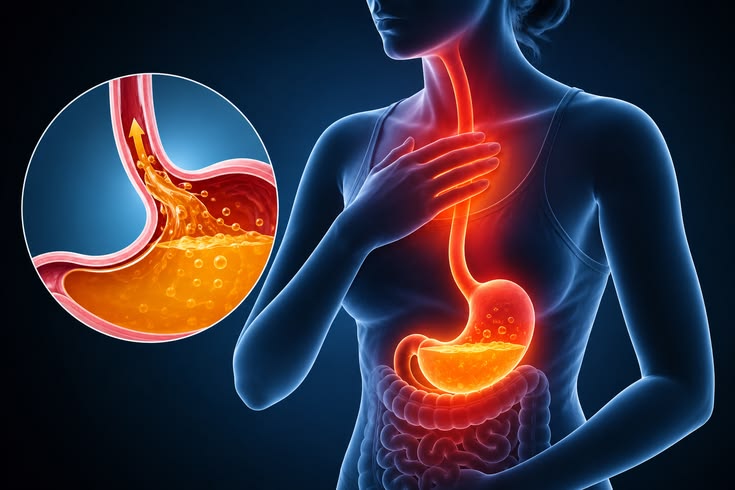
People with giardiasis — often searched together with diarrhea as a general symptom — typically report one or more of the following:
Frequent Diarrhea
Frequent or persistent diarrhea.
Abdominal Cramps
Abdominal cramps and pain.
Bloating and Gas
Bloating and excessive gas after meals.
Nausea or Vomiting
Nausea or occasional vomiting.
Fatigue
Fatigue and general weakness.
Foul-Smelling Stools
Foul-smelling, greasy stools.
Weight Loss
Unexplained weight loss.
Dehydration
Dehydration in more severe or prolonged cases.
Causes and Risk Factors of Giardiasis
Giardiasis spreads when a person accidentally ingests Giardia cysts, most often through:
- Drinking contaminated or untreated water
- Eating contaminated or improperly washed food
- Poor sanitation and hygiene
- Swimming or wading in contaminated water bodies
- Close contact with an infected person
- Travel to areas with unsafe water sanitation
- Improper hand hygiene, particularly after using the toilet or before eating
Giardiasis Treatment in Delhi
Giardiasis treatment in Delhi begins with confirming the parasite through a stool test, since diarrhea has many possible causes and treatment differs accordingly. Once giardiasis is confirmed, treatment is generally straightforward and involves a short, defined course of antiparasitic medication alongside supportive care for the digestive system.
For most patients, this means starting with a stool test for giardiasis in Delhi, a defined course of antiparasitic medication, and monitoring for a follow-up test if symptoms don't fully settle, rather than relying on anti-diarrheal medication alone.
Diagnosis of Giardiasis
Doctors may use a combination of the following to confirm giardiasis and rule out other causes of persistent diarrhea:
-
Stool Examination for Parasites
Stool samples are examined to detect Giardia parasites or their cysts in the digestive tract.
-
Antigen Detection Tests
These tests identify specific Giardia antigens in a stool sample and are often more sensitive than standard microscopic examination.
-
Microscopic Stool Analysis
A laboratory examination of stool under a microscope helps detect Giardia parasites or cysts that confirm the infection.
-
Blood Tests
Blood tests may sometimes be performed to evaluate dehydration levels, nutritional status, or other complications related to the infection.
Giardiasis Treatment in South Delhi
For residents of South Delhi, having giardiasis treatment in South Delhi available close to home matters because confirming the infection, starting treatment, and checking for clearance can take more than one visit, particularly if symptoms persist. Patients searching for an intestinal infection doctor in South Delhi are usually looking for the same combination of things: prompt stool testing, a clear treatment plan, and support with rehydration if diarrhea has been ongoing.
Delhi Gastro Care is based at Fortis Escorts Hospital, Okhla Road, making it a convenient gastroenterologist near Okhla for patients across South Delhi neighbourhoods such as Kalkaji, Nehru Place, Greater Kailash, Sarita Vihar, Jasola, and New Friends Colony. Whether you are looking for a giardiasis doctor in Kalkaji for a first opinion or giardiasis treatment Nehru Place patients can reach without a long commute, having testing and treatment under one roof simplifies the process considerably.
Treatment Options for Giardiasis
Effective treatment focuses on eliminating the Giardia parasite, restoring hydration, relieving symptoms, and supporting digestive recovery.
Antiparasitic Medications
Prescription medications that specifically target and eliminate the Giardia parasite from the intestinal tract, prescribed for a short, defined course.
Rehydration Therapy
Oral or, if needed, intravenous fluid replacement to restore hydration levels lost through frequent diarrhea.
Electrolyte Replacement
Replenishing essential electrolytes such as sodium and potassium that are depleted during diarrheal illness.
Nutritional Support
Dietary guidance to help the digestive system recover and restore proper nutrient absorption after infection.
Follow-up Testing if Symptoms Persist
Repeat stool testing to confirm the parasite has been fully cleared, especially if symptoms continue after the initial course of treatment.
Frequently Asked Questions
Find answers to common questions about giardiasis, including its symptoms, causes, diagnosis, and treatment options.
Giardiasis is a common intestinal infection caused by the parasite Giardia lamblia (also called Giardia duodenalis). It affects the small intestine and spreads through contaminated water, food, or contact with an infected person.
Common symptoms include frequent diarrhea, abdominal cramps, bloating, nausea, fatigue, foul-smelling stools, and unexplained weight loss. In more severe or prolonged cases, dehydration may occur.
Giardiasis spreads when a person ingests the Giardia parasite through contaminated water, food, or poor hygiene practices. Swimming in contaminated water and close contact with an infected individual can also increase the risk.
Giardiasis is usually confirmed through a stool examination, an antigen detection test, or microscopic stool analysis. Blood tests may also be used to check for dehydration or related complications.
Giardiasis is usually treated with a short course of antiparasitic medication. Depending on symptom severity, doctors may also recommend rehydration therapy, electrolyte replacement, and nutritional support to help the digestive system recover.
No. Both cause diarrhea and abdominal discomfort, but they are caused by different organisms and are confirmed and treated differently, which is why a stool test is used to identify the specific parasite responsible before starting treatment.
Symptoms can persist or recur if the parasite is not fully cleared, if reinfection occurs from the same contaminated source, or in a small number of cases that need a repeat course of treatment. Follow-up stool testing is used to confirm the infection has cleared.
See a gastroenterologist if diarrhea, bloating, or abdominal cramps persist for more than a few days, or if you notice signs of dehydration, unexplained weight loss, or blood in the stool.
Why Choose Dr. Pankaj Puri for Giardiasis Treatment in South Delhi?
Expert gastroenterology care with advanced diagnosis, personalized treatment, and decades of clinical experience.
Convenient Location
Conveniently located at Fortis Escorts, Okhla Road — easily accessible from across South Delhi.
38+ Years of Experience
38+ years of experience in gastroenterology and intestinal infection management.
FRCP Qualified
FRCP (London & Edinburgh) qualified, with specialized training in interventional endoscopy.
Evidence-Based Care
Comprehensive stool testing and personalized, evidence-based treatment plans.
Trusted by Patients
Trusted by patients from Okhla, Kalkaji, Nehru Place, Greater Kailash, Sarita Vihar, Jasola & New Friends Colony.