
What Is a Liver Abscess?
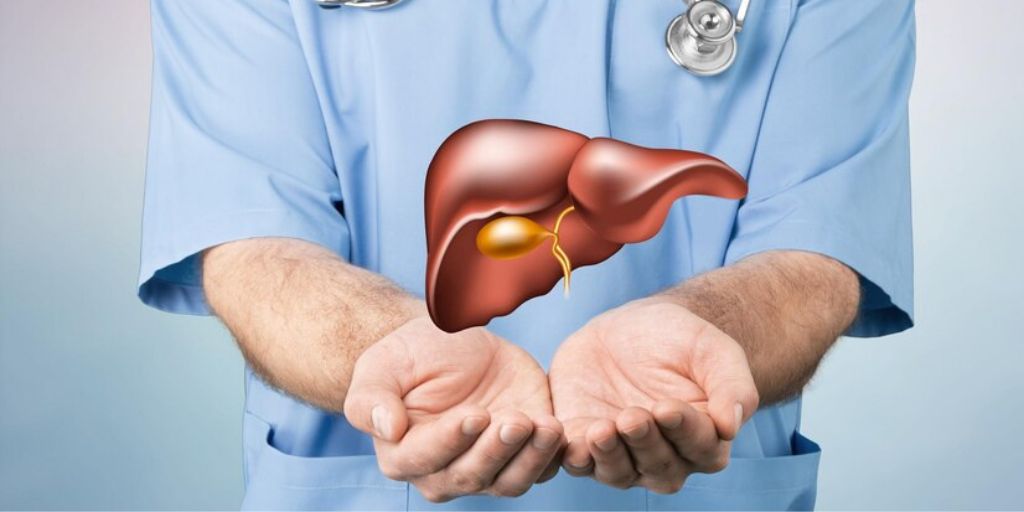
A liver abscess is a pus-filled cavity that forms inside the liver when infection triggers inflammation and tissue breakdown. The infection may originate in the liver itself, or spread there from elsewhere in the body — commonly the intestines or bile ducts — through the bloodstream or nearby organs. Left untreated, the pus collection can enlarge and cause serious complications, which is why liver abscess treatment in Delhi typically begins as soon as imaging confirms the diagnosis rather than waiting to see if fever settles on its own.
Common Symptoms of a Liver Abscess
Symptoms of a liver abscess usually develop over days rather than appearing suddenly, and people typically notice one or more of the following:
High Fever and Chills
Caused by infection in the liver.
Pain or Discomfort in the Upper Right Abdomen
Where the liver is located.
Loss of Appetite
Nausea or Vomiting
Persistent Fatigue and Weakness
Unexplained Weight Loss
Abdominal Tenderness
When touched.
Jaundice
Yellowing of the skin and eyes in some cases.
Causes of Liver Abscess
A liver abscess develops when pus-filled pockets form in the liver due to infection. These infections may originate in the liver itself or spread from other parts of the body through the bloodstream or nearby organs:
- Bacterial infections
- Amoebic infection (Entamoeba histolytica)
- Fungal infections
- Infections spreading from the intestines or bile ducts
- Bloodstream infections
- Complications of abdominal infections
Liver abscesses are broadly grouped by cause. Amoebic liver abscess treatment in Delhi addresses infection caused by the parasite Entamoeba histolytica, typically linked to contaminated food or water, while pyogenic liver abscess treatment in Delhi addresses bacterial infection, often spreading from the bile ducts, intestines, or bloodstream — the two are managed with different medications, so identifying which type is present matters before treatment begins.
Liver Abscess Treatment in Delhi
Liver abscess treatment in Delhi begins with confirming the diagnosis through imaging and blood tests, and identifying whether the underlying cause is bacterial, amoebic, or fungal, since the choice of medication depends on this. Most patients need a combination of targeted medication and, where the abscess is large, drainage of the pus collection alongside supportive care such as fluids and monitoring.
Because a liver abscess can worsen quickly if the underlying infection is not addressed, treatment is generally started promptly once imaging confirms the diagnosis, rather than waiting for repeat testing.
Diagnosis of Liver Abscess in Delhi
Doctors use a combination of the following tests to confirm the presence of a liver abscess, identify its cause, and guide treatment planning:
-
Blood Tests
Blood tests help detect signs of infection, inflammation, and abnormalities in liver function that may indicate a liver abscess.
-
Ultrasound of the Abdomen
An abdominal ultrasound helps doctors visualise the liver and identify pus-filled cavities or abnormalities within it, and is often the first imaging test used.
-
CT Scan
A CT scan provides detailed images of the liver and helps determine the size, location, and number of abscesses present.
-
MRI
MRI scans offer high-resolution images of the liver and can help identify liver abscesses and related complications when further detail is needed.
-
Aspiration of Pus for Laboratory Testing
In certain cases, doctors remove a small sample of pus from the abscess to identify the specific infection — bacterial, amoebic, or fungal — and guide targeted treatment.
Liver Abscess Treatment in South Delhi
For residents of South Delhi, having liver abscess treatment in South Delhi available close to home matters because the condition typically requires imaging, a course of targeted medication, and sometimes a drainage procedure with follow-up review — not a single visit.
Patients searching for a liver abscess specialist in South Delhi are usually looking for the same combination of things: prompt imaging to confirm the diagnosis, identification of the underlying infection, and access to drainage if the abscess is large enough to need it.
Delhi Gastro Care is based at Fortis Escorts Hospital, Okhla Road, and is accessible to patients across South Delhi neighbourhoods such as Greater Kailash, Saket, Vasant Kunj, Lajpat Nagar, and Nehru Place. Whether you are looking for a liver abscess specialist in South Delhi for a first opinion or a gastroenterologist for liver abscess in Delhi to review persistent fever and abdominal pain, having imaging, diagnosis, and treatment under one roof simplifies the process considerably.
Your Treatment Journey: What to Expect
- Initial consultation — review of symptoms, fever pattern, and travel or dietary history
- Blood tests — to check for infection and liver function
- Imaging — ultrasound, CT scan, or MRI to locate and size the abscess
- Aspiration, if needed — to identify the specific infection
- Treatment planning — medication alone, or medication plus drainage
- Treatment and follow-up — repeat imaging to confirm the abscess is resolving
Treatment Options for Liver Abscess
Treatment for a liver abscess focuses on eliminating the infection and draining the pus collection when necessary. Early medical treatment helps prevent complications and supports faster recovery.
-
Antibiotic Medications
Antibiotics are used to treat bacterial (pyogenic) liver abscesses and are often started promptly once infection is confirmed, sometimes before culture results are back.
-
Antiparasitic Drugs
Antiparasitic medication is the mainstay of amoebic liver abscess treatment in Delhi, targeting the underlying Entamoeba histolytica infection directly.
-
Drainage of the Abscess
Liver abscess drainage in Delhi using a needle or catheter is generally recommended for larger abscesses, or when there is limited improvement with medication alone, to remove the pus collection and speed recovery.
-
Supportive Care and Hydration
Fluids, fever management, and monitoring support the body while the underlying infection is being treated.
-
Surgical Treatment
Liver abscess surgery in Delhi is reserved for severe cases — for example, when an abscess ruptures, does not respond to drainage, or is associated with other complications requiring direct surgical management.
Timely diagnosis and appropriate treatment can effectively control the infection, reduce complications, and help patients recover safely.
Prevention Tips
- Drink clean and safe water
- Maintain good personal hygiene
- Wash fruits and vegetables properly
- Avoid contaminated food
- Seek treatment for intestinal infections promptly
When to See a Gastroenterologist
Anyone with persistent fever and chills along with pain in the upper right abdomen, especially after a recent intestinal infection or travel to an area with limited access to clean water, should consult a gastroenterologist for liver abscess in Delhi promptly rather than treating fever alone at home.
Choosing a Liver Abscess Specialist in Delhi
Because a liver abscess can be bacterial, amoebic, or fungal — each managed differently — choosing a liver abscess specialist in Delhi who confirms the underlying cause before starting treatment makes a meaningful difference to recovery. The best doctor for liver abscess in Delhi will consider drainage alongside medication rather than relying on antibiotics or antiparasitic drugs alone when the abscess is large.
A few things worth checking before your first visit:
- Verified medical qualification and registration in gastroenterology
- On-site or nearby access to ultrasound, CT/MRI imaging, and drainage procedures
- Experience distinguishing and managing both amoebic and pyogenic liver abscess
- A clear explanation of whether medication alone is sufficient or drainage is needed
- Prompt turnaround on imaging and lab results, given how quickly a liver abscess can progress
At Delhi Gastro Care, Dr. (Brig) Pankaj Puri — a gastroenterologist for liver abscess in Delhi practising at Fortis Escorts, Okhla — holds DM Gastroenterology training from PGIMER, Chandigarh, and FRCP qualifications from Edinburgh and London. He is the Director of Gastroenterology and Hepatology at the Fortis Escorts Liver and Digestive Diseases Institute and a Governing Council member of the Indian National Association for Study of the Liver. Diagnostic facilities relevant to liver abscess, including abdominal ultrasound and imaging-guided aspiration, are available on-site.
Frequently Asked Questions
Find answers to common questions about liver abscess, including its symptoms, causes, diagnosis, and available treatment options.
A liver abscess is a pus-filled cavity in the liver caused by bacterial, amoebic, or fungal infections. It occurs when infection leads to the formation of an inflamed pocket of pus inside the liver tissue.
Common symptoms include fever, chills, pain in the upper right abdomen, nausea, vomiting, fatigue, loss of appetite, and sometimes jaundice.
A liver abscess may develop due to bacterial infections, amoebic infections such as Entamoeba histolytica, fungal infections, or infections spreading from nearby organs such as the intestines or bile ducts.
Liver abscess diagnosis in Delhi typically involves blood tests, an abdominal ultrasound, CT scan or MRI, and, in some cases, aspiration of pus for laboratory testing to identify the specific infection.
Treatment usually includes antibiotics or antiparasitic medication to control infection. In some cases, doctors may drain the abscess using a needle or catheter, or perform surgical treatment if the infection is severe.
Yes. Amoebic liver abscess treatment in Delhi targets the parasite Entamoeba histolytica with antiparasitic medication, while pyogenic (bacterial) liver abscess treatment in Delhi relies on antibiotics — identifying which type is present guides the choice of medication.
Not always. Smaller abscesses often respond to medication alone, while larger ones, or those not improving with medication, typically need liver abscess drainage in Delhi using a needle or catheter.
Look for a gastroenterologist with verified credentials, on-site or nearby access to imaging and drainage procedures, and experience managing both amoebic and bacterial liver abscess.