
What Is Portal Hypertension?
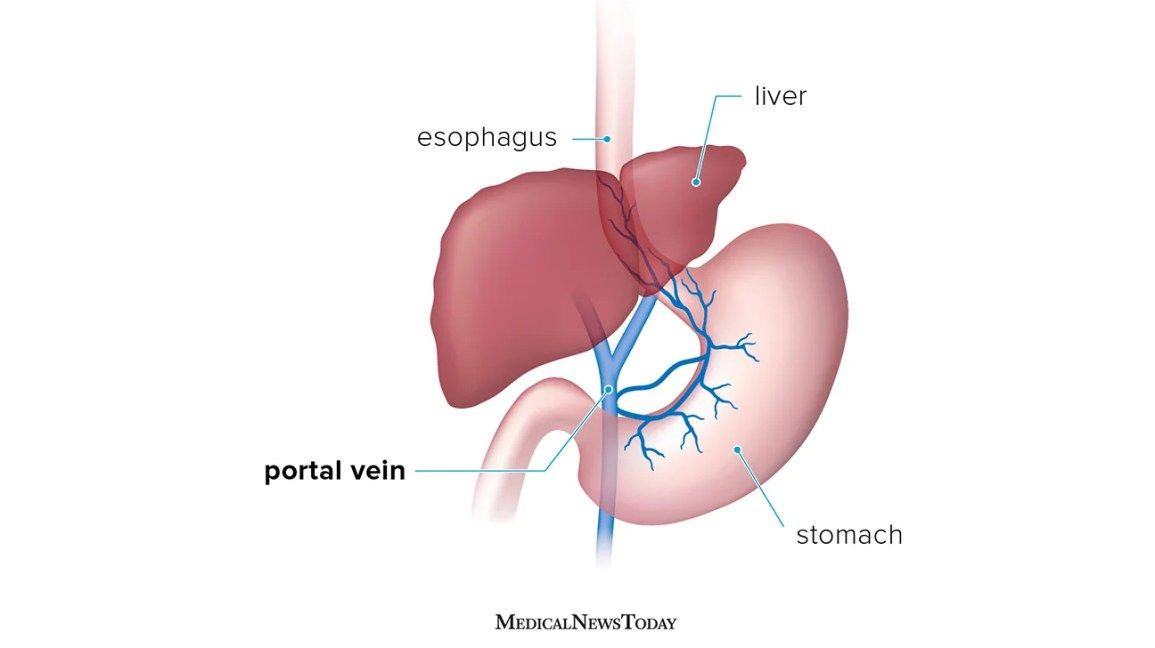
Portal hypertension is increased blood pressure within the portal vein, most often caused by liver disease that obstructs or slows normal blood flow through the liver. As pressure builds, blood is forced through smaller, weaker vessels, which can enlarge into varices, or leak fluid into the abdominal cavity, causing ascites. The spleen, which drains into the portal system, can also enlarge as a result.
Common Symptoms of Portal Hypertension
Portal hypertension often develops gradually, and some of the following symptoms may be the first sign of an underlying liver condition:
Abdominal Swelling (Ascites)
Enlarged Spleen
Swelling in the Legs and Ankles
Persistent Fatigue and Weakness
Vomiting Blood
A sign of bleeding from esophageal varices.
Black or Tarry Stools
Indicating bleeding in the digestive tract.
Loss of Appetite
Unexplained Weight Loss
Causes of Portal Hypertension
Portal hypertension develops when blood cannot flow normally through the liver, and the underlying cause determines both severity and treatment approach:
- Liver cirrhosis — the leading cause, and the reason liver cirrhosis and portal hypertension treatment in Delhi are so often addressed together
- Chronic hepatitis B or C infection
- Fatty liver disease
- Blood clots in the portal vein
- Liver tumors
- Schistosomiasis infection
- Congenital liver abnormalities
Key Complications: Varices and Ascites
-
Esophageal Varices
As pressure in the portal vein rises, blood is diverted through smaller vessels in the esophagus and stomach, which can swell into varices. These vessels have thin walls and can rupture, causing sudden and potentially life-threatening bleeding — which is why esophageal varices treatment in Delhi typically combines endoscopic therapy with medication to reduce portal pressure, rather than one or the other alone.
-
Ascites
Ascites is the accumulation of fluid in the abdominal cavity and is one of the most common reasons patients seek ascites treatment in Delhi. It can cause visible swelling, discomfort, and reduced appetite, and is usually managed with salt restriction, diuretics, and treatment of the underlying liver condition, with drainage considered in more advanced cases.
How Portal Hypertension Is Diagnosed
Doctors typically use a combination of the following to confirm portal hypertension, assess its severity, and identify complications:
-
Ultrasound of the Abdomen
An abdominal ultrasound helps examine the liver, spleen, and surrounding blood vessels for signs of portal hypertension or underlying liver damage.
-
Doppler Ultrasound
Doppler ultrasound for portal hypertension in Delhi is used specifically to assess blood flow through the portal vein and surrounding vessels, helping identify blockages, clots, or abnormal flow direction that a standard ultrasound may not capture.
-
CT Scan or MRI
Advanced imaging provides detailed views of the liver and blood vessels, helping detect structural abnormalities, tumors, or vascular complications associated with portal hypertension.
-
Endoscopy
Endoscopy is used to directly detect esophageal or gastric varices, assess their size and bleeding risk, and, when needed, treat them during the same procedure.
-
Blood Tests for Liver Function
Liver function blood tests help evaluate the extent of liver damage and identify the underlying condition responsible for portal hypertension.
Portal Hypertension Treatment in South Delhi
For patients seeking portal hypertension treatment in South Delhi, timely, coordinated care matters more than with most conditions — the same clinic needs to manage routine monitoring, urgent variceal bleeding, and, when required, procedures like TIPS, without patients being redirected between facilities at short notice.
Patients looking for a portal hypertension doctor in South Delhi are usually asking the same three questions: what is causing the pressure buildup, how advanced are the varices or ascites, and what happens if bleeding occurs. Delhi Gastro Care is based at Fortis Escorts Hospital, Okhla Road, and is accessible to patients across South Delhi neighbourhoods including Greater Kailash, Saket, Vasant Kunj, Lajpat Nagar, and Nehru Place, with endoscopy, imaging, and liver testing available on-site for both scheduled review and urgent evaluation.
Lifestyle Tips for Liver Health
- Avoid alcohol consumption
- Follow a balanced and nutritious diet
- Maintain a healthy body weight
- Limit salt intake to reduce fluid retention
- Manage chronic liver conditions properly and consistently
- Attend regular medical check-ups, including scheduled endoscopy review
Treatment Options for Portal Hypertension
Treatment focuses on reducing pressure in the portal vein, managing complications, and treating the underlying liver disease.
-
Medications to Reduce Portal Pressure
Certain medications lower pressure within the portal vein, reducing the risk of variceal bleeding and are often the first line of treatment once portal hypertension is confirmed.
-
Endoscopic Treatment for Bleeding Varices
Variceal bleeding treatment in Delhi typically involves endoscopic band ligation or sclerotherapy to control active bleeding and reduce the risk of it recurring, and is considered an emergency procedure when bleeding is active.
-
Lifestyle and Dietary Changes
Salt restriction, alcohol avoidance, and weight management support overall treatment and help limit fluid retention and further liver strain.
-
Diuretics for Fluid Buildup
Diuretics help reduce ascites by encouraging the body to eliminate excess fluid, usually alongside dietary salt restriction.
-
TIPS Procedure
A TIPS procedure in Delhi (Transjugular Intrahepatic Portosystemic Shunt) creates a new pathway for blood to flow through the liver, reducing portal pressure directly. It is typically considered when medication and endoscopic treatment alone are not sufficiently controlling bleeding or ascites.
-
Liver Transplantation
In severe cases where the underlying liver disease has progressed significantly, liver transplantation may be the most effective long-term treatment.
Early diagnosis and proper treatment can help control portal hypertension, reduce complications, and improve a patient’s overall quality of life.
Choosing a Portal Hypertension Specialist in Delhi
Because portal hypertension can range from stable and well-controlled to an active bleeding emergency, choosing a portal hypertension specialist in Delhi with both routine monitoring capability and emergency endoscopic access matters. A few things worth checking before your first visit:
- Verified medical qualification and registration in gastroenterology or hepatology
- On-site access to endoscopy, Doppler ultrasound, and liver function testing
- Experience managing esophageal varices and ascites, not just diagnosing portal hypertension
- Access to TIPS and coordination with liver transplant services for advanced cases
- A clear plan for what to do in case of bleeding, provided at the time of diagnosis, not only in an emergency
At Delhi Gastro Care, Dr. (Brig) Pankaj Puri — a hepatologist for portal hypertension in Delhi practising at Fortis Escorts, Okhla — holds DM Gastroenterology training from PGIMER, Chandigarh, and FRCP qualifications from Edinburgh and London. He is the Director of Gastroenterology and Hepatology at the Fortis Escorts Liver and Digestive Diseases Institute and a Governing Council member of the Indian National Association for Study of the Liver. Diagnostic and treatment facilities relevant to portal hypertension, including endoscopy, FibroScan, and liver biopsy, are available on-site.
Frequently Asked Questions
Portal hypertension is increased pressure in the portal vein, the blood vessel carrying blood from the digestive organs to the liver, usually caused by an underlying liver condition such as cirrhosis. It can lead to complications like enlarged veins (varices) and fluid buildup in the abdomen.
Symptoms may include abdominal swelling (ascites), an enlarged spleen, fatigue, gastrointestinal bleeding, and enlarged veins in the esophagus or stomach known as varices.
The most common cause is liver cirrhosis. Other causes include chronic hepatitis B or C, fatty liver disease, blood clots in the portal vein, liver tumors, and certain infections.
Diagnosis typically involves abdominal ultrasound, Doppler ultrasound to assess blood flow, endoscopy to check for varices, and blood tests to evaluate liver function; CT or MRI may be used for more detailed imaging.
Treatment may include medications to lower portal pressure, endoscopic treatment for bleeding varices, diuretics for fluid buildup, lifestyle changes, the TIPS procedure, or liver transplantation in severe cases.
TIPS (Transjugular Intrahepatic Portosystemic Shunt) is a procedure that creates a new channel for blood to flow through the liver, reducing portal pressure. It is generally considered when medication and endoscopic treatment are not enough to control bleeding or ascites.
Yes. Vomiting blood or passing black, tarry stools can indicate active bleeding from esophageal varices and requires immediate emergency medical care.
Look for a gastroenterologist or hepatologist with verified credentials, on-site access to endoscopy and Doppler ultrasound, and clear experience managing both routine monitoring and emergency variceal bleeding.