
What Is Fatty Liver Disease?
Fatty liver disease develops when fat accumulates in liver cells beyond normal levels, which can trigger inflammation and, over time, liver damage. In its earliest stage — sometimes described by patients searching for grade 1 fatty liver treatment in Delhi — the liver shows fat buildup with little or no inflammation and is often reversible with lifestyle change alone. Left unaddressed, more advanced stages can progress to inflammation (steatohepatitis) and, eventually, scarring of the liver tissue.
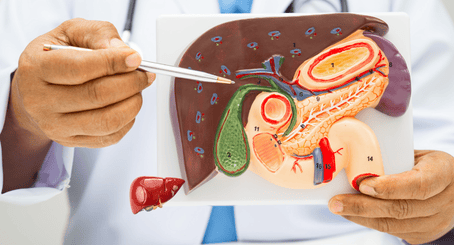
Types of Fatty Liver Disease
Fatty liver disease is classified into two main types based on cause, and the distinction matters for treatment:
Non-Alcoholic Fatty Liver Disease (NAFLD)
NAFLD occurs in people who drink little or no alcohol and is the most common form of fatty liver disease worldwide. NAFLD treatment in Delhi typically centres on the metabolic drivers behind it — obesity, type 2 diabetes, high cholesterol, and metabolic syndrome — since managing these conditions is usually more effective than medication alone.
Alcoholic Fatty Liver Disease (AFLD)
AFLD develops due to sustained alcohol consumption, which damages liver cells and causes fat to accumulate. Alcoholic fatty liver disease treatment in Delhi requires complete or substantial reduction in alcohol intake alongside nutritional support, since continued drinking makes progression to inflammation and cirrhosis significantly more likely.
Common Symptoms of Fatty Liver Disease
Many people with fatty liver disease have no symptoms at all, which is why it is often found during a routine liver function test or abdominal scan for an unrelated reason. When symptoms do occur, they typically include:
Fatigue and Weakness
Persistent fatigue and weakness.
Upper Right Abdominal Discomfort
Dull discomfort or pain in the upper right abdomen.
Unexplained Weight Loss
Unexplained weight loss.
Reduced Appetite
Reduced appetite.
Abdominal Bloating
Abdominal bloating.
Enlarged Liver
An enlarged liver, detected on examination.
General Malaise
A general feeling of being unwell.
Causes and Risk Factors
Fatty liver disease develops when the liver stores more fat than it can process. Several overlapping health and lifestyle factors raise the risk:
- Obesity or being overweight
- Type 2 diabetes
- High cholesterol or triglyceride levels
- Excess alcohol consumption
- Poor dietary habits, particularly high sugar and refined carbohydrate intake
- A sedentary lifestyle
- Metabolic syndrome
- Certain medications and, less commonly, rapid weight loss
Fatty Liver Treatment in Delhi
Fatty liver treatment in Delhi begins with confirming whether the fatty liver is non-alcoholic or alcohol-related, and how advanced it is, since these two factors determine the treatment approach. A review of liver function tests, imaging, and relevant risk factors such as diabetes and cholesterol guides the choice between lifestyle-based management and more structured medical follow-up.
For most patients, this means starting with weight management, dietary change, and control of diabetes or cholesterol, with FibroScan used periodically to track whether liver stiffness is improving, stable, or worsening.
Diagnosis of Fatty Liver Disease
Doctors may recommend several tests to evaluate liver health and confirm the presence of fatty liver disease.
-
Blood Tests (Liver Function Tests)
Blood tests are used to measure liver enzymes and evaluate how well the liver is functioning. Elevated liver enzymes may indicate liver inflammation or damage.
-
Ultrasound of the Abdomen
An abdominal ultrasound is a common imaging test that helps detect fat accumulation in the liver and assess its size and structure.
-
CT Scan or MRI
Advanced imaging tests such as CT scan or MRI provide detailed images of the liver and help evaluate the extent of fat buildup or possible complications.
-
FibroScan
FibroScan is a specialized test that measures liver stiffness and helps assess the degree of liver fibrosis or scarring.
-
Liver Biopsy
In certain cases, a liver biopsy may be performed to examine a small sample of liver tissue and confirm the severity of fatty liver disease.
Fatty Liver Disease Treatment in South Delhi
For residents of South Delhi, having fatty liver disease treatment in South Delhi available close to home matters because fatty liver management is rarely a one-time visit — it typically involves an initial work-up, a period of lifestyle-based treatment, and periodic FibroScan or blood-test review to confirm the liver is responding.
Patients searching for a fatty liver specialist in South Delhi are usually looking for the same combination of things: a clear explanation of whether their fatty liver is NAFLD or alcohol-related, on-site access to FibroScan and liver function testing, and a structured plan rather than a one-line instruction to “lose weight and cut alcohol.”
Delhi Gastro Care is based at Fortis Escorts Hospital, Okhla Road, and is accessible to patients across South Delhi neighbourhoods such as Greater Kailash, Saket, Vasant Kunj, Lajpat Nagar, and Nehru Place. Whether you are looking for a fatty liver specialist in South Delhi for a first opinion or a gastroenterologist for fatty liver in Delhi to review a fibrosis stage that keeps changing, having testing and treatment under one roof simplifies the process considerably.
Lifestyle Tips for Liver Health
Healthy lifestyle habits can help improve liver function and prevent the progression of fatty liver disease. Making positive changes in diet, physical activity, and daily habits can support overall liver health and well-being.
- Maintain a healthy body weight
- Follow a balanced and nutritious diet
- Exercise regularly
- Avoid excess alcohol consumption
- Control blood sugar and cholesterol levels
- Stay well hydrated
Treatment Options for Fatty Liver Disease
Treatment for fatty liver disease focuses on reducing liver fat, improving liver function, and preventing further liver damage. Lifestyle modifications and proper medical management play an important role in controlling the condition.
- Weight management
- Healthy diet and proper nutrition
- Regular physical activity
- Control of diabetes and cholesterol
- Limiting alcohol intake
- Medications if necessary
Frequently Asked Questions
Find answers to common questions about fatty liver disease, including its symptoms, causes, diagnosis, and available treatment options.
Fatty liver disease occurs when excess fat builds up in the liver, which can affect liver function and may lead to inflammation or liver damage if not managed properly.
NAFLD develops in people who drink little or no alcohol and is usually linked to obesity, diabetes, or high cholesterol, while alcoholic fatty liver disease results from sustained alcohol use. Treatment differs because the underlying driver is different.
Many people have no symptoms in the early stages. When present, symptoms may include fatigue, discomfort in the upper right abdomen, weakness, reduced appetite, and unexplained weight loss.
Fatty liver disease may develop due to obesity, type 2 diabetes, high cholesterol, metabolic syndrome, poor diet, or excessive alcohol consumption.
Diagnosis typically involves liver function blood tests, an abdominal ultrasound, and often a FibroScan to assess liver stiffness; CT, MRI, or liver biopsy may be used in specific cases.
Treatment mainly focuses on lifestyle changes such as weight management, a balanced diet, regular exercise, and control of diabetes and cholesterol, with medication considered in select cases.
Early-stage fatty liver, particularly NAFLD without significant fibrosis, can often improve or reverse with sustained weight loss, dietary change, and control of underlying risk factors.
Look for a gastroenterologist or hepatologist with verified credentials, on-site access to FibroScan and liver testing, and a structured plan for staging and follow-up rather than a single generic consultation.