Swallowing difficulty that keeps getting worse, unexplained weight loss, or a persistent feeling that food is catching on the way down are symptoms that deserve prompt attention — not because they always mean cancer, but because ruling it out (or catching it early, if present) can make a real difference to the treatment options available.
Esophageal cancer — sometimes referred to by patients as food pipe cancer — develops in the lining of the oesophagus, the muscular tube connecting the throat to the stomach. This page explains what it is, what raises the risk, how it is diagnosed and staged, and what treatment typically involves.
Whether you are elsewhere in the city or specifically looking for esophageal cancer treatment in South Delhi, the process starts with a thorough evaluation to establish an accurate diagnosis and stage before any treatment decisions are made.
What Is Esophageal Cancer?
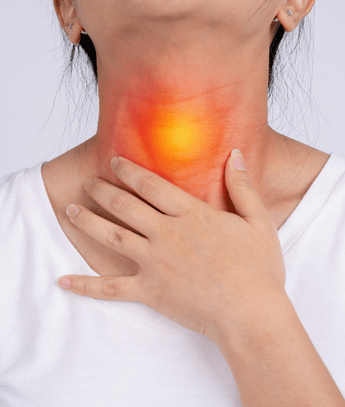
Esophageal cancer develops when abnormal cells grow in the lining of the oesophagus. Because the oesophagus is a wide, flexible tube, a tumour can grow for some time before it causes noticeable narrowing. This is why difficulty swallowing (dysphagia) is often the first symptom patients notice, and why persistent swallowing difficulty should always be evaluated with endoscopy rather than assumed to be reflux or indigestion.
Adenocarcinoma
Usually develops in the lower oesophagus and is commonly associated with long-standing acid reflux (GERD) and Barrett's oesophagus, a condition in which repeated acid exposure causes changes in the cells lining the oesophagus.
Squamous Cell Carcinoma
Typically occurs in the upper or middle oesophagus and is more strongly associated with tobacco and alcohol use. In India, squamous cell carcinoma remains the more common subtype, with tobacco, alcohol, and dietary factors recognised as important contributors, while adenocarcinoma associated with GERD and Barrett's oesophagus is also increasingly recognised.
Symptoms That Need Medical Attention
The most common early warning sign of esophageal cancer is gradually worsening difficulty swallowing. These symptoms should never be ignored and require prompt medical evaluation.
Progressive Difficulty Swallowing
Difficulty swallowing that begins with solid foods and gradually progresses to liquids.
Unintentional Weight Loss
Unexpected weight loss without dieting or increased physical activity.
Chest Pain or Burning
Pain, discomfort, or a burning sensation behind the breastbone while eating or swallowing.
Food Getting Stuck
A persistent feeling that food is sticking or becoming lodged in the esophagus.
Persistent Hoarseness
Long-lasting hoarseness or a chronic cough without another obvious cause.
Vomiting or Blood
Vomiting, especially if blood is present, requires immediate medical attention.
Black or Tarry Stools
Dark, tarry stools may indicate internal bleeding and should be evaluated urgently.
Persistent Swallowing Problems
Persistent dysphagia should be investigated with an Upper GI Endoscopy rather than assumed to be acid reflux or indigestion.
What Increases the Risk?
Long-standing acid reflux, Barrett's esophagus, smoking, and heavy alcohol use are among the most important risk factors for esophageal cancer. While having one or more of these risk factors does not mean you will develop cancer, persistent swallowing or reflux symptoms should always be evaluated promptly.
- Long-term, poorly controlled acid reflux (GERD)
- Barrett's esophagus
- Tobacco use in any form
- Regular or heavy alcohol consumption
- Obesity
- A diet low in fruits and vegetables
- Habitually drinking very hot beverages
- Previous radiation therapy to the chest
- Age over 50 years, with higher occurrence in men
When to See a Gastroenterologist
Anyone with difficulty swallowing (dysphagia) lasting more than two to three weeks, or symptoms that continue to worsen, should undergo an Upper GI Endoscopy rather than waiting for the problem to resolve on its own.
Medical evaluation is especially important if swallowing difficulty occurs together with unintentional weight loss, chest pain, or a long history of GERD or Barrett's esophagus. Early diagnosis greatly improves the chances of successful treatment and may allow minimally invasive treatment options before major surgery becomes necessary.
How Esophageal Cancer Is Diagnosed
Diagnosis begins with an Upper GI Endoscopy to examine the esophagus and obtain a biopsy. Additional staging tests help determine the extent of the tumour and guide the most appropriate treatment plan.
-
Upper GI Endoscopy with Biopsy
A thin, flexible endoscope is used to examine the esophagus directly. If an abnormal area is found, a tissue sample (biopsy) is taken and sent for laboratory analysis to confirm the diagnosis of esophageal cancer.
-
Endoscopic Ultrasound (EUS)
Endoscopic Ultrasound helps determine how deeply the tumour has grown into the esophageal wall and whether nearby lymph nodes are involved, providing accurate cancer staging.
-
CT Scan or PET-CT Scan
CT and PET-CT imaging are used to evaluate whether the cancer has spread beyond the esophagus to nearby organs or distant parts of the body, helping guide treatment decisions.
-
Multidisciplinary Cancer Review
Biopsy findings and imaging results are reviewed by a multidisciplinary team of gastroenterologists, surgical oncologists, medical oncologists, radiation oncologists, and radiologists to develop an individualized treatment plan.
Your Treatment Journey: What to Expect
Every patient follows a personalised treatment pathway based on the stage of the disease and overall health. From diagnosis through treatment and follow-up, Dr. (Brig) Pankaj Puri and the multidisciplinary team ensure comprehensive, coordinated care at every step.
- Initial Consultation – Review of symptoms, swallowing history, medical history, and overall health.
- Endoscopy & Biopsy – Direct examination of the esophagus with tissue sampling to confirm the diagnosis.
- Cancer Staging – Endoscopic Ultrasound (EUS), CT scan, or PET-CT imaging to determine how advanced the cancer is.
- Treatment Planning – A personalised treatment plan is developed based on the cancer stage, biopsy findings, and your overall health.
- Treatment & Follow-up – Active treatment is followed by regular monitoring and follow-up appointments to assess recovery and long-term outcomes.
Treatment Options for Esophageal Cancer
Treatment depends on the stage of the cancer, its location within the esophagus, and your overall health. After complete evaluation and staging, Dr. (Brig) Pankaj Puri works with a multidisciplinary oncology team to recommend the most appropriate treatment plan for each patient.
Endoscopic Resection (ESD / EFTR)
Very early-stage tumors confined to the inner lining of the esophagus may be removed using advanced endoscopic techniques such as Endoscopic Submucosal Dissection (ESD) or Endoscopic Full-Thickness Resection (EFTR), helping selected patients avoid open surgery.
Esophageal Dilation or Stenting
Endoscopic dilation or placement of an esophageal stent may be recommended to relieve swallowing difficulty and improve the ability to eat in patients with advanced disease.
Surgery, Chemotherapy & Radiotherapy
Depending on the stage of the cancer, treatment may involve surgery, chemotherapy, radiotherapy, or a combination of these approaches, coordinated by experienced surgical and oncology specialists.
Nutritional Support
Nutritional assessment and dietary support help manage weight loss, maintain strength, and improve swallowing during treatment and recovery.
Personalized Treatment Planning
The most suitable treatment depends on the cancer stage, tumour location, biopsy findings, and your overall health. Every treatment plan is individualized after detailed discussion with the multidisciplinary care team.
Frequently Asked Questions
Find answers to common questions about Esophageal Cancer, its symptoms, diagnosis, staging, and treatment options.
The most common first sign is difficulty swallowing (dysphagia) that starts gradually, usually with solid foods, and slowly worsens over weeks or months. Some patients also experience unexplained weight loss or discomfort behind the breastbone.
No. Difficulty swallowing is more commonly caused by conditions such as GERD, Achalasia, or a benign esophageal stricture. However, persistent or worsening swallowing difficulty should always be evaluated with an Upper GI Endoscopy to determine the exact cause.
Yes, in selected early-stage cases. Superficial esophageal cancers may be treated with advanced endoscopic procedures such as Endoscopic Submucosal Dissection (ESD). More advanced cancers may require surgery, chemotherapy, radiotherapy, or a combination of treatments.
Staging combines the findings from Upper GI Endoscopy and biopsy with Endoscopic Ultrasound (EUS), CT scan, or PET-CT imaging to determine how deeply the tumour has grown and whether it has spread to lymph nodes or other organs.
No. Esophageal cancer develops in the esophagus, while stomach cancer develops in the stomach. Although cancers near the junction of these organs may require combined specialist evaluation, they are different diseases with different staging and treatment approaches.
You should consult a gastroenterologist if difficulty swallowing lasts more than two to three weeks, continues to worsen, or is associated with unexplained weight loss, chest discomfort, or persistent acid reflux. Early evaluation can help identify the cause and improve treatment outcomes.