
What Is Hepatitis B?
Hepatitis B
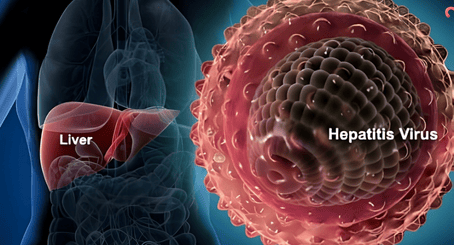
is a viral infection that affects the liver and is caused by the
Hepatitis B virus (HBV). It can lead to inflammation and damage to liver cells,
affecting the liver's ability to function properly. The infection can be either
acute (short-term) or chronic (long-term) and may lead to serious liver complications
if not managed appropriately.
The virus spreads through contact with infected blood, body fluids, unprotected sexual
contact, or from mother to child during birth, which is why early diagnosis and proper
medical care are essential to protect long-term liver health.
Common Symptoms of Hepatitis B
Many people with Hepatitis B may not experience symptoms in the early stages. When symptoms appear, they may include:
Fatigue and Weakness
Fatigue and weakness caused by inflammation of the liver.
Loss of Appetite
Reduced appetite due to liver dysfunction and digestive discomfort.
Nausea and Vomiting
Nausea and episodes of vomiting may occur with Hepatitis B infection.
Abdominal Pain
Pain or discomfort, particularly in the upper right side where the liver is located.
Dark-Coloured Urine
Urine may become darker than usual due to increased bilirubin levels.
Jaundice
Yellowing of the skin and eyes caused by a buildup of bilirubin.
Joint Pain and Body Aches
Joint pain and general body aches may occur alongside other symptoms.
Mild Fever
Mild fever may occur as the body responds to the viral infection.
Acute vs. Chronic Hepatitis B
Hepatitis B infection is classified by how long it persists. Acute Hepatitis B is a short-term infection that many adults clear on their own within a few months with supportive care and monitoring, while chronic Hepatitis B persists for six months or longer and carries a higher risk of long-term liver damage, including cirrhosis, if left unmanaged.
Chronic Hepatitis B treatment in Delhi generally focuses on suppressing the virus with antiviral medication and monitoring liver function over the long term, rather than a short course of treatment. This is one reason the exact stage of infection is confirmed with blood testing rather than assumed from symptoms alone.
Causes and Transmission of Hepatitis B
Hepatitis B spreads when the virus enters the body through infected blood or other body fluids:
- Unprotected sexual contact with an infected person
- Sharing needles or syringes
- Blood transfusion with infected blood
- Transmission from mother to baby during childbirth
- Sharing personal items such as razors or toothbrushes
- Direct exposure to infected blood
Hepatitis B Treatment in Delhi
Hepatitis B treatment in Delhi begins with confirming the presence of the virus, its viral load, and the current state of liver function, since treatment differs depending on whether the infection is acute or chronic. For most patients, this means starting with HBsAg and liver function testing, followed by a personalised monitoring or treatment plan rather than a one-size-fits-all approach.
Diagnosis of Hepatitis B
Doctors may recommend several tests to diagnose Hepatitis B and evaluate the health and function of the liver.
-
Hepatitis B Surface Antigen (HBsAg) Test
This blood test is used to detect the presence of the hepatitis B virus in the bloodstream and confirm whether a person is infected.
-
Blood Tests for Liver Function
Liver function tests measure enzymes and proteins in the blood to determine how well the liver is working and to detect signs of liver inflammation or damage.
-
HBV DNA Test
The HBV DNA test measures the amount of hepatitis B virus in the blood (viral load) and helps doctors determine the severity of infection.
-
Ultrasound of the Liver
An ultrasound scan helps examine the liver’s structure and identify any abnormalities, inflammation, or signs of liver damage.
-
Liver Biopsy
In certain cases, a small sample of liver tissue may be taken and examined under a microscope to evaluate the extent of liver damage.
Prevention Tips for Hepatitis B
Preventive measures can help reduce the risk of Hepatitis B infection. Taking proper precautions and following healthy practices can protect individuals from exposure to the virus and support overall liver health.
- Get the Hepatitis B vaccination
- Avoid sharing needles or syringes
- Practice safe sexual habits
- Ensure safe blood transfusions
- Avoid sharing personal hygiene items
- Follow proper medical sterilization practices
Treatment Options for Hepatitis B
Treatment for Hepatitis B depends on whether the infection is acute or chronic. Early medical care and proper management can help control the infection, protect liver function, and prevent long-term complications.
- Antiviral medications
- Regular monitoring of liver function
- Lifestyle and dietary changes
- Management of liver inflammation
- Treatment for complications if necessary
- Long-term monitoring for chronic Hepatitis B
Many patients with acute Hepatitis B recover completely with proper care, while chronic cases may require long-term monitoring and medical management.
Treatment Options for Hepatitis B
Treatment for Hepatitis B depends on whether the infection is acute or chronic. Early medical care and proper management can help control the infection, protect liver function, and prevent long-term complications.
Antiviral Medications
Prescription antiviral medications help suppress the Hepatitis B virus, reduce liver damage, and lower the risk of disease progression.
Regular Monitoring of Liver Function
Routine blood tests and liver function assessments help monitor the infection and evaluate treatment effectiveness.
Lifestyle and Dietary Changes
Healthy eating habits, avoiding alcohol, and maintaining a healthy lifestyle support liver health during treatment.
Management of Liver Inflammation
Medical treatment focuses on reducing liver inflammation and protecting healthy liver tissue from further damage.
Treatment for Complications if Necessary
Additional treatment may be recommended if liver-related complications develop during the course of the disease.
Long-term Monitoring for Chronic Hepatitis B
Patients with chronic Hepatitis B require regular follow-up visits and ongoing monitoring to maintain long-term liver health.
Frequently Asked Questions
Find answers to common questions about Hepatitis B, including its symptoms, transmission, diagnosis, treatment, prevention, and long-term care.
Hepatitis B is a viral infection that affects the liver and is caused by the Hepatitis B virus (HBV). It can lead to both acute and chronic liver disease and may cause serious complications if not treated properly.
Common symptoms may include fatigue, loss of appetite, nausea, vomiting, abdominal pain, dark urine, joint pain, mild fever, and yellowing of the skin and eyes (jaundice). Many people have no symptoms in the early stages.
Hepatitis B spreads through contact with infected blood or body fluids, including unprotected sexual contact, sharing needles, infected blood transfusions, mother-to-child transmission during childbirth, or sharing personal items such as razors.
Acute Hepatitis B is a short-term infection that many adults clear on their own, while chronic Hepatitis B persists for six months or longer and needs long-term monitoring and, often, antiviral treatment.
Diagnosis typically involves an HBsAg blood test to confirm infection, an HBV DNA test to measure viral load, liver function tests, and sometimes an ultrasound or liver biopsy to assess liver damage.
Treatment depends on whether the infection is acute or chronic. It may include antiviral medications, regular monitoring of liver function, lifestyle and dietary changes, and long-term follow-up for chronic cases.
Yes. Hepatitis B vaccination is highly effective at preventing infection. Avoiding shared needles, practising safe sexual habits, and ensuring safe blood transfusions also reduce the risk of exposure.
Look for a gastroenterologist or hepatologist with verified credentials, on-site or nearby access to HBsAg and HBV DNA testing, and experience managing both acute and chronic Hepatitis B with long-term follow-up.
Why Dr. Pankaj Puri is the Best Gastroenterologist in South Delhi
Dr. (Brig) Pankaj Puri offers expert diagnosis and treatment for Hepatitis B and other liver disorders, combining decades of clinical experience with advanced diagnostic facilities and personalized patient care.
Leading Gastroenterology Doctor in South Delhi
Recognized as a leading Gastroenterology Doctor in South Delhi, conveniently located at Fortis Escorts, Okhla Road.
38+ Years of Experience
38+ years of experience as a Gastroenterology Specialist in South Delhi, managing liver and digestive disease.
Internationally Qualified Specialist
FRCP (London & Edinburgh) qualified, with specialized training in interventional endoscopy.
Advanced Hepatitis B Diagnosis
Comprehensive HBsAg testing, HBV DNA testing, and personalized antiviral treatment plans.
Trusted Across South Delhi
Trusted as the Gastroenterologist in South Delhi by patients from Okhla, Kalkaji, Nehru Place, Greater Kailash, Sarita Vihar, Jasola & New Friends Colony.