What Is Constipation?
Constipation refers to bowel movements that are infrequent — typically fewer than three times a week — or that require excessive straining, often producing stools that are hard, dry, and uncomfortable to pass. Most cases are occasional and improve with dietary and lifestyle changes, but when the pattern persists for several weeks or keeps recurring, it is generally described as chronic constipation, and self-managing it with over-the-counter laxatives indefinitely is not a substitute for identifying the underlying cause.
Common Symptoms of Constipation
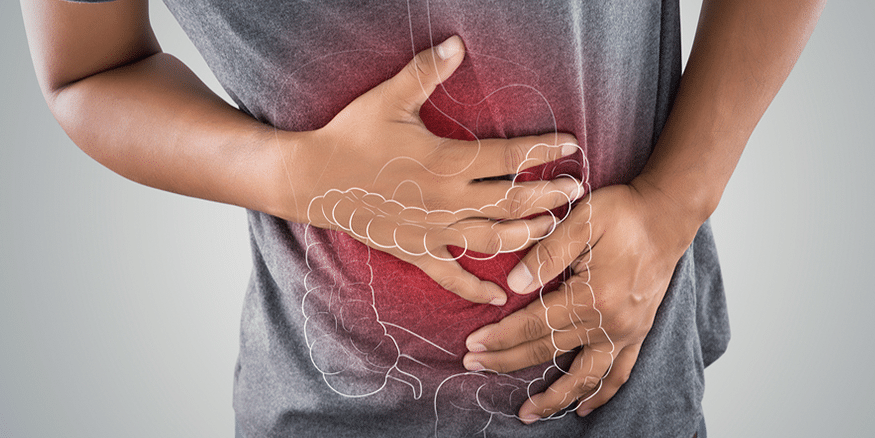
People experiencing constipation typically report one or more of the following:
Infrequent Bowel Movements
Fewer than three bowel movements per week.
Hard or Lumpy Stools
Hard, dry, or lumpy stools.
Straining
Straining or excessive effort during bowel movements.
Incomplete Emptying
A feeling of incomplete emptying after passing stool.
Abdominal Discomfort
Abdominal discomfort, cramping, or bloating.
Sensation of Blockage
A sensation of blockage or obstruction in the rectum.
Manual Manoeuvres
Needing to use manual manoeuvres to pass stool in severe cases.
Appetite Changes
Reduced appetite or discomfort after eating in persistent cases.
Occasional vs. Chronic Constipation
Constipation is broadly grouped by duration and pattern: occasional constipation is short-lived and usually linked to a clear trigger such as travel, dehydration, or a temporary change in diet, while chronic constipation persists for three months or longer and often needs a structured evaluation to rule out an underlying cause. Chronic constipation treatment in Delhi generally starts with the same dietary and lifestyle measures used for occasional constipation, but adds targeted testing when symptoms don't improve, since a subset of chronic cases are linked to slow colon transit or a pelvic floor coordination problem such as anorectal dyssynergia rather than diet alone — which is one reason persistent symptoms are confirmed with evaluation rather than assumed to be purely dietary.
What Causes Constipation?
Constipation occurs when stool moves too slowly through the intestines or when the rectum and pelvic floor do not coordinate normally during a bowel movement. Several factors can trigger or worsen this:
- Low fiber diet
- Insufficient water intake
- Lack of physical activity
- Irregular eating habits
- Stress and lifestyle changes
- Certain medications, including some painkillers and iron supplements
- Underlying digestive disorders such as IBS-C (IBS and constipation treatment in Delhi is often needed when symptoms overlap with irritable bowel syndrome)
- Hormonal changes, including thyroid disorders and pregnancy
- Pelvic floor or rectal coordination problems (anorectal dyssynergia)
Constipation Treatment in Delhi
Constipation treatment in Delhi begins with confirming whether diet, medication use, an underlying digestive disorder, or a pelvic floor coordination problem is responsible, since the treatment plan differs depending on the cause. For most patients, this means starting with a detailed history and simple dietary and lifestyle measures, and reserving further testing for cases that don't improve or that come with warning symptoms.
For most patients, this means starting with a review of diet, fluid intake, and medication history, and monitoring response with a follow-up review rather than repeating over-the-counter laxatives indefinitely if symptoms do not fully settle.
How Constipation Is Diagnosed
Doctors may use a combination of the following to confirm the cause of constipation:
-
Medical History and Physical Examination
Doctors review the patient's bowel habits, diet, medication history, and perform a physical examination to identify possible causes of constipation.
-
Blood Tests
Blood tests help detect underlying conditions such as thyroid disorders, electrolyte imbalances, or other metabolic issues that can slow bowel movements.
-
Colonoscopy or Endoscopy
These procedures allow doctors to examine the colon and digestive tract directly to detect blockages, inflammation, or other structural abnormalities, and are typically recommended for chronic constipation or when warning symptoms are present.
-
Imaging Tests
Imaging tests such as X-rays, CT scans, or ultrasound may be recommended to evaluate the digestive system and rule out structural causes.
-
Stool Examination
Stool tests can help identify infections or other abnormalities affecting bowel movements.
-
Anorectal Manometry
For chronic constipation that doesn't respond to standard measures, anorectal manometry assesses how well the rectum and anal muscles coordinate during a bowel movement, helping identify pelvic floor dysfunction such as anorectal dyssynergia.
Constipation Treatment in South Delhi
For residents of South Delhi, having constipation treatment in South Delhi available close to home matters because confirming a diagnosis, adjusting treatment, and reviewing the response usually takes more than one visit. Initial evaluation, a defined course of dietary and medical management, and a follow-up review to confirm improvement is a process that is far more manageable when the clinic is not a long drive away.
Patients searching for a constipation specialist in South Delhi are usually looking for the same combination of things: a clear explanation of what is causing their symptoms, prompt access to colonoscopy or anorectal manometry if needed, and a treatment plan that goes beyond repeated over-the-counter laxative use — the same applies to chronic constipation treatment in South Delhi, where symptoms have persisted for months rather than weeks.
Delhi Gastro Care is based at Fortis Escorts Hospital, Okhla Road, and is accessible to patients across South Delhi neighbourhoods such as Greater Kailash, Saket, Vasant Kunj, Lajpat Nagar, and Nehru Place. Whether you are looking for a constipation specialist in South Delhi for a first opinion or a gastroenterologist for constipation in Delhi to review symptoms that keep returning, having evaluation and treatment under one roof simplifies the process considerably.
Treatment Options for Constipation
Treatment focuses on identifying the underlying cause, restoring regular bowel movements, and relieving symptoms.
Dietary Changes to Increase Fiber Intake
Increasing fiber from fruits, vegetables, and whole grains adds bulk to stool and helps it move more easily through the digestive tract, and is usually the first step recommended for both occasional and chronic constipation.
Adequate Hydration
Drinking enough water throughout the day helps soften stool and supports the effect of increased fiber intake; fiber without adequate fluids can sometimes worsen constipation.
Laxative Medications
Laxative treatment for constipation in Delhi is used when dietary and lifestyle measures alone are not enough, and different classes of laxatives work in different ways, so the choice depends on symptom severity and how long constipation has been present.
Probiotics for Gut Health
Probiotics may help support a healthier gut microbiome and improve bowel regularity in some patients, particularly when constipation overlaps with IBS-C.
Biofeedback Therapy for Pelvic Floor Dysfunction
When anorectal manometry identifies a coordination problem between the rectum and pelvic floor muscles, biofeedback therapy retrains this coordination and can meaningfully improve symptoms that don't respond to diet and laxatives alone.
Treatment of Underlying Digestive Conditions
When constipation is linked to a broader condition such as IBS-C, a thyroid disorder, or medication side effects, treating that underlying condition alongside general constipation measures is usually needed for lasting relief.
Choosing a Constipation Specialist in Delhi
Because constipation can have more than one underlying cause and can occasionally point to a more significant digestive condition, choosing a constipation specialist in Delhi who confirms the cause before finalising treatment makes a meaningful difference to outcomes. The best doctor for constipation in Delhi will look beyond a standard laxative prescription and consider diet, medication history, and, where relevant, pelvic floor function before recommending a plan.
A few things worth checking before your first visit:
- Verified medical qualification and registration in gastroenterology
- On-site or nearby access to colonoscopy and anorectal manometry
- A clear explanation of whether the constipation is occasional or chronic, and its likely cause
- Experience managing IBS-C, pelvic floor dysfunction, and pediatric constipation
- A treatment plan that combines diet and lifestyle guidance with medication and a follow-up review
At Delhi Gastro Care, Dr. (Brig) Pankaj Puri — a gastroenterologist for constipation in Delhi practising at Fortis Escorts, Okhla — holds DM Gastroenterology training from PGIMER, Chandigarh, and FRCP qualifications from Edinburgh and London. He is the Director of Gastroenterology and Hepatology at the Fortis Escorts Liver and Digestive Diseases Institute and a Governing Council member of the Indian National Association for Study of the Liver. Diagnostic facilities relevant to constipation, including colonoscopy and anorectal manometry with biofeedback therapy, are available on-site.
Frequently Asked Questions
Find answers to common questions about constipation, including its symptoms, causes, diagnosis, and treatment options.
Constipation is a common digestive problem in which a person has fewer than three bowel movements a week or experiences difficulty passing stool. Stools may become hard, dry, and uncomfortable to pass.
Common symptoms include infrequent bowel movements, hard or dry stools, straining, abdominal discomfort, bloating, and a feeling of incomplete bowel movement.
Common causes include a low-fiber diet, insufficient water intake, lack of physical activity, irregular eating habits, stress, certain medications, and underlying digestive disorders such as IBS-C.
Occasional constipation is short-lived and usually linked to a clear trigger, while chronic constipation persists for three months or longer and often needs further evaluation to identify an underlying cause.
Treatment usually starts with increasing fiber intake, adequate hydration, and regular activity, and may include probiotics or laxative medications. Chronic cases linked to pelvic floor dysfunction may benefit from biofeedback therapy.
See a gastroenterologist if constipation persists despite dietary changes, or is accompanied by rectal bleeding, unintended weight loss, severe abdominal pain, or a sudden change in bowel habits.
Yes. Infant and pediatric constipation is often related to diet, fluid intake, or stool-withholding behaviour, and persistent cases should be evaluated by a doctor rather than managed at home indefinitely.
Look for a gastroenterologist with verified credentials, on-site or nearby access to colonoscopy and anorectal manometry, and a track record of identifying the underlying cause rather than treating symptoms alone.