What Is POEM (Peroral Endoscopic Myotomy)?
POEM is a minimally invasive endoscopic procedure used to treat achalasia and certain other esophageal motility disorders by cutting the inner muscle layer of the lower esophageal sphincter, allowing it to relax and letting food pass into the stomach normally. Unlike traditional surgical myotomy, POEM is performed entirely through the mouth using a flexible endoscope — there are no external incisions on the skin at all.
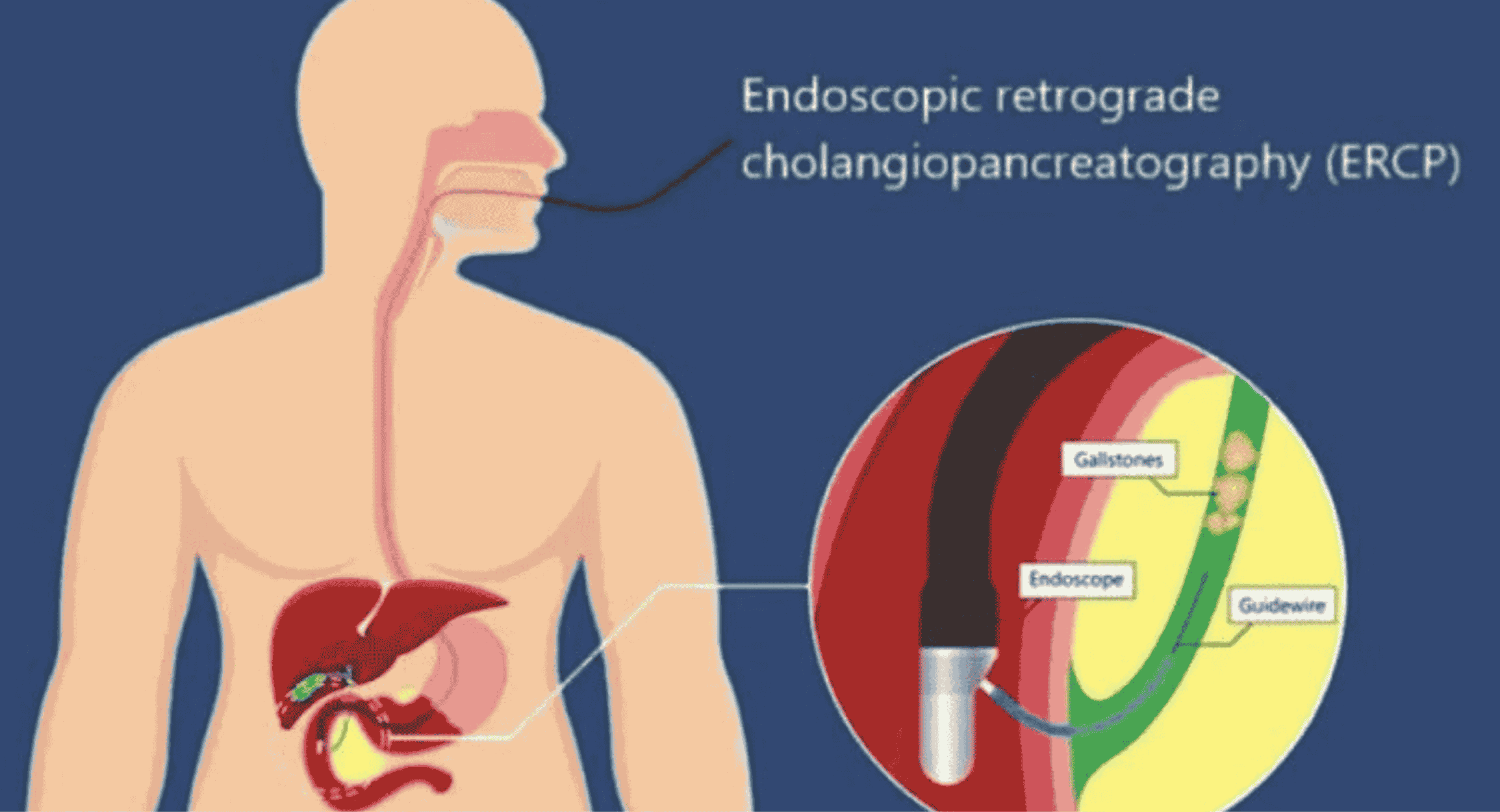
The endoscope is used to create a tunnel within the lining of the esophagus, through which the tight muscle fibres are precisely cut, and the tunnel entry point is then closed with endoscopic clips.
Conditions Treated with POEM
POEM treatment in Delhi is most often used for the following conditions:
Achalasia
POEM for achalasia in Delhi is the primary use of this procedure. Achalasia causes progressive difficulty swallowing, regurgitation of undigested food, chest discomfort, and unintended weight loss as the lower esophageal sphincter fails to relax. POEM directly addresses the cause by cutting the tight muscle, rather than only managing symptoms.
Esophageal Spasm
POEM for esophageal spasm in Delhi is used for conditions such as diffuse esophageal spasm and jackhammer esophagus, where uncoordinated or excessively strong muscle contractions cause chest pain and swallowing difficulty. Extending the myotomy along the length of the affected muscle can relieve these spasms.
Other Esophageal Motility Disorders
POEM may also be considered for other disorders of esophageal muscle coordination where standard treatments haven’t provided adequate relief, following a detailed evaluation of esophageal function.
Why Choose POEM Over Traditional Surgery
Minimally invasive achalasia surgery in Delhi such as POEM offers several advantages compared to traditional laparoscopic Heller myotomy, which requires external incisions in the abdomen:
- No external incisions or visible scarring, since the entire procedure is performed through the mouth
- Typically shorter hospital stay than open or laparoscopic surgery
- Faster return to normal swallowing and daily activities for most patients
- Ability to extend the myotomy to different lengths depending on the specific disorder being treated
- High success rates in relieving swallowing symptoms of achalasia and esophageal spasm
What Happens During the POEM Procedure
A POEM procedure in Delhi is typically performed under general anaesthesia in a hospital setting:
- General anaesthesia is administered so the patient is fully asleep and comfortable throughout
- A flexible endoscope is passed through the mouth into the esophagus
- The doctor creates a small entry point in the esophageal lining and tunnels beneath it to reach the tight muscle layer
- The lower esophageal sphincter muscle is precisely cut (myotomy) to relieve the obstruction
- The entry point in the esophageal lining is closed using endoscopic clips
- The procedure usually takes around 60 to 90 minutes, and most patients stay in hospital for one to two days for monitoring
POEM vs. Heller Myotomy
When comparing POEM vs Heller myotomy in Delhi, both procedures cut the same muscle to relieve achalasia, but they differ in approach: Heller myotomy is performed laparoscopically through small abdominal incisions, while POEM is performed entirely through the mouth with no external cuts at all.
POEM also allows the surgeon to extend the myotomy further up the esophagus when needed, which can be an advantage for certain motility disorders such as esophageal spasm. Both approaches have strong track records; the right choice depends on individual patient factors your doctor will assess during consultation.
Benefits of POEM
Peroral Endoscopic Myotomy provides decisive advantages as a modern, incisionless alternative to traditional surgery:
- Minimally invasive with no external scarring
- High success rate in relieving swallowing difficulty from achalasia and esophageal spasm
- Shorter recovery time compared to traditional surgical myotomy
- Can be tailored in length to suit different esophageal motility disorders
- Performed as a single procedure without the need for separate diagnostic and treatment steps
Recovery After POEM
POEM recovery in Delhi is generally faster than recovery from traditional surgery, since there are no external incisions to heal:
- A short hospital stay of one to two days is typical for monitoring
- A swallow study (X-ray with contrast) may be performed before discharge to check the myotomy site
- A liquid or soft diet is usually recommended for the first one to two weeks, gradually progressing to solid foods
- Most patients return to normal activities within one to two weeks
- Follow-up visits help confirm swallowing has improved and monitor for any recurrence of symptoms
- Some patients may experience mild reflux after POEM, which is usually managed with medication
Preparing for Your POEM Procedure
Proper preparation ensures safety, procedural success, and swift recovery:
- A thorough pre-procedure evaluation, often including esophageal manometry and a barium swallow study, to confirm the diagnosis
- Avoid eating or drinking for several hours before the procedure, as instructed
- Inform the doctor about all medications currently being taken, especially blood thinners
- Share any existing medical conditions or allergies, particularly related to anaesthesia
- Arrange for a longer recovery window than an outpatient endoscopy, since POEM typically involves a short hospital stay
POEM in South Delhi & Specialist Selection
For patients weighing where to have POEM in South Delhi, key considerations include the endoscopist's direct procedural experience and the quality of pre- and post-procedure evaluation pathways. Delhi Gastro Care is based at Fortis Escorts Hospital, Okhla Road, accessible to patients across South Delhi neighbourhoods such as Greater Kailash, Saket, Vasant Kunj, Lajpat Nagar, and Nehru Place, with full diagnostics (esophageal manometry and endoscopy) on-site.
What to Look for in a POEM Specialist:
- Verified medical qualification and registration in gastroenterology, with specific POEM training
- A thorough diagnostic work-up before the procedure, including esophageal manometry, rather than proceeding on symptoms alone
- Clear explanation of how POEM compares to Heller myotomy for your specific situation
- A defined post-procedure monitoring and follow-up plan, including management of any reflux symptoms
- Experience treating both achalasia and other motility disorders such as esophageal spasm
At Delhi Gastro Care, Dr. (Brig) Pankaj Puri — a POEM specialist in Delhi practising at Fortis Escorts, Okhla — holds DM Gastroenterology training from PGIMER, Chandigarh, and FRCP qualifications from Edinburgh and London. He is the Director of Gastroenterology and Hepatology at the Fortis Escorts Liver and Digestive Diseases Institute and a Governing Council member of the Indian National Association for Study of the Liver.
Frequently Asked Questions
Find clear answers to common questions about Peroral Endoscopic Myotomy (POEM), its suitability, safety, and recovery.
POEM is a minimally invasive endoscopic procedure that treats achalasia and certain esophageal motility disorders by cutting the tight muscle of the lower esophageal sphincter, performed entirely through the mouth with no external incisions.
POEM is primarily used to treat achalasia, and can also be used for esophageal spasm disorders such as diffuse esophageal spasm and jackhammer esophagus.
Both procedures achieve the same goal by cutting the same muscle. POEM avoids external abdominal incisions and can extend the myotomy further up the esophagus when needed, while Heller myotomy is a well-established laparoscopic approach; the right choice depends on individual factors your doctor will assess.
The POEM procedure usually takes around 60 to 90 minutes, and most patients stay in hospital for one to two days afterward for monitoring.
Recovery after POEM is generally faster than traditional surgery. Most patients follow a liquid or soft diet for one to two weeks and return to normal activities within one to two weeks, with follow-up to confirm swallowing has improved.
Some patients experience mild acid reflux after POEM, since the procedure affects the sphincter that normally helps prevent reflux. This is usually manageable with medication and is discussed as part of follow-up care.
POEM provides long-term relief for most patients by directly addressing the tight muscle causing achalasia, though as with any myotomy procedure, ongoing follow-up helps monitor for any recurrence of symptoms over time.
Look for a gastroenterologist with specific POEM training, a thorough pre-procedure work-up including esophageal manometry, and a clear explanation of how POEM compares to other treatment options for your situation.