What Is Double Balloon Enteroscopy?
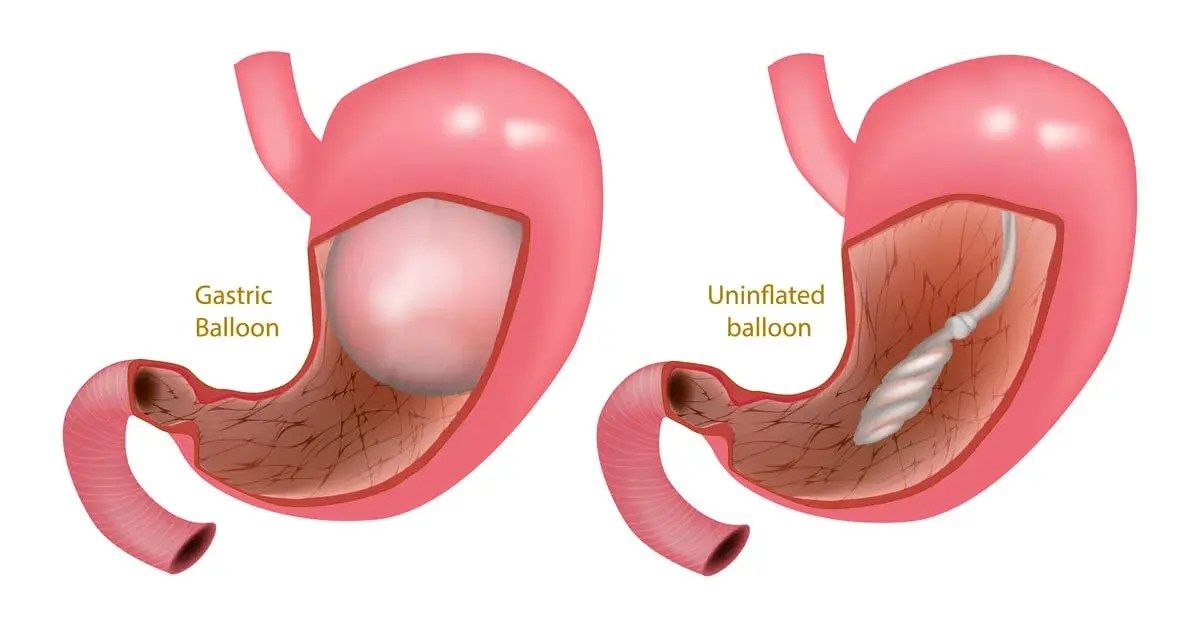
The small intestine is roughly six metres long and, unlike the stomach, oesophagus, colon, or rectum, is not fully accessible with a conventional endoscope or colonoscope. Double balloon enteroscopy overcomes this using an overtube and scope, each fitted with a balloon, that alternately inflate and grip the bowel wall, allowing the instrument to be pushed and pleated forward in short, controlled segments. This lets the gastroenterologist examine — and, when needed, treat — sections of the small bowel that were previously reachable only through surgery.
DBE can be performed via the mouth (antegrade, for the upper and mid small bowel) or via the rectum (retrograde, for the lower small bowel), depending on where imaging or capsule endoscopy suggests the abnormality is located. In some cases, both approaches are used to examine the entire small intestine over one or two sessions.
Why DBE Is Recommended
Double balloon enteroscopy is generally recommended once other tests point toward — but cannot fully characterise or reach — a problem in the small bowel. It plays a central role in obscure GI bleeding treatment in Delhi, where the source of bleeding has not been identified on upper endoscopy or colonoscopy.
Obscure or Recurrent GI Bleeding
Obscure or recurrent gastrointestinal bleeding with a normal upper endoscopy and colonoscopy.
Iron-Deficiency Anaemia
Iron-deficiency anaemia with no clear cause found on standard testing.
Small Bowel Tumours or Polyps
Suspected or known small bowel tumours or polyps, including Peutz-Jeghers syndrome.
Small Bowel Strictures
Small bowel strictures, for example related to Crohn's disease, that may need dilation.
Abnormal Findings on Capsule / Imaging
Abnormal findings on capsule endoscopy or CT/MR enterography that need direct visualisation or biopsy.
Capsule or Foreign Body Retrieval
Retrieval of retained capsule endoscopes or removal of foreign bodies from the small bowel.
Unexplained Abdominal Pain
Evaluation of chronic, unexplained abdominal pain when small bowel pathology is suspected.
How DBE Is Different from Upper Endoscopy or Colonoscopy
A standard upper GI endoscopy examines the oesophagus, stomach, and the first part of the small intestine (duodenum), while a colonoscopy examines the large intestine and, at most, the very end of the small bowel. Neither reaches the long middle stretch of small intestine in between. Double balloon enteroscopy is built specifically to cover this gap, using the balloon-and-overtube system to travel much further than either standard procedure allows, and to combine diagnosis with treatment — such as biopsy, cauterising a bleeding point, or removing a polyp — in the same session.
Diagnosis Before DBE
Because DBE is a longer and more involved procedure than a routine endoscopy, doctors typically use preliminary tests to identify roughly where in the small bowel the problem is located, so the antegrade or retrograde approach can be chosen appropriately.
- Capsule endoscopy: A swallowed capsule camera that images the small bowel and helps localise abnormalities before DBE is planned
- CT or MR enterography: Cross-sectional imaging that can identify strictures, masses, or inflammation in the small bowel
- Blood tests: To assess anaemia, inflammation markers, or nutritional deficiencies that support the need for further evaluation
- Review of prior findings: Checking upper endoscopy and colonoscopy findings to confirm the small bowel is the appropriate next step
How DBE Is Performed
Double balloon enteroscopy in Delhi is typically performed as a day-care or short-stay procedure under sedation or general anaesthesia, depending on the expected duration and the patient's overall health. The scope is introduced through the mouth or rectum, and the balloon-and-overtube system is used to advance through the small bowel in a controlled, step-by-step manner, with the doctor examining the lining throughout and performing biopsy or treatment as needed.
Procedures are generally longer than a standard endoscopy or colonoscopy, often ranging from 60 to 120 minutes depending on how far the scope needs to travel and whether therapeutic steps such as polyp removal, cauterisation, or stricture dilation are carried out during the same session.
Double Balloon Enteroscopy in South Delhi
For residents of South Delhi, having double balloon enteroscopy in South Delhi available close to home matters, since the work-up leading to DBE — capsule endoscopy, imaging, blood tests, the procedure itself, and follow-up review — often involves multiple visits rather than a single appointment.
Patients searching for a DBE specialist in South Delhi are usually looking for the same combination of things: a clear explanation of why the small bowel needs to be examined, prompt access to capsule endoscopy or cross-sectional imaging to localise the problem, and a gastroenterologist experienced enough to safely complete the procedure and manage any findings in the same setting.
Delhi Gastro Care is based at Fortis Escorts Hospital, Okhla Road, and is accessible to patients across South Delhi neighbourhoods such as Greater Kailash, Saket, Vasant Kunj, Lajpat Nagar, and Nehru Place. Whether you are looking for a DBE specialist in South Delhi for a first opinion, or a gastroenterologist for double balloon enteroscopy in Delhi to investigate unexplained bleeding or anaemia, having imaging, capsule endoscopy, and DBE available under one roof simplifies a work-up that can otherwise involve several different centres.
Your DBE Journey: What to Expect
- Initial consultation: Review of symptoms, prior test results, and the reason DBE is being considered
- Pre-procedure work-up: Capsule endoscopy or imaging, if not already done, to help localise the area of concern
- Pre-procedure instructions: Fasting and bowel-preparation guidance, tailored to whether the antegrade or retrograde route is planned
- The procedure: Performed under sedation or anaesthesia, with biopsy or treatment carried out in the same session where appropriate
- Recovery and observation: A short monitored recovery period before discharge on the same day in most cases
- Follow-up: Review of biopsy results and findings, with a treatment plan based on what was found
Enteroscopy treatment in Delhi is usually planned as part of this broader pathway rather than as an isolated test, since the value of DBE lies as much in what is done during the procedure — biopsy, haemostasis, polyp removal, or dilation — as in the diagnosis itself.
Cost and Practical Considerations
Patients frequently search for double balloon enteroscopy cost in Delhi while planning the procedure. Cost depends on several factors that vary from patient to patient — whether the procedure is diagnostic or also therapeutic, the type of sedation or anaesthesia used, whether both antegrade and retrograde approaches are needed, and whether an overnight stay is required. Because of this variation, an accurate estimate is best obtained during consultation, once the reason for the procedure and the planned approach are clear, rather than from a general figure quoted online.
Safety and What to Expect Afterward
Double balloon enteroscopy is generally safe when performed by an experienced gastroenterologist, though as with any procedure that goes deeper into the small bowel than routine endoscopy, there is a small risk of complications such as bleeding, perforation, or pancreatitis (when the antegrade route is used), which is why it is typically reserved for cases where the small bowel genuinely needs to be reached and other options have been considered.
Most patients experience mild bloating or throat discomfort for a short period afterward and are advised on diet and activity before discharge. Any severe abdominal pain, fever, or bleeding after the procedure should be reported to the treating team promptly rather than waiting for the scheduled follow-up.
Choosing a DBE Specialist in Delhi
Because double balloon enteroscopy is a technically demanding procedure that combines diagnosis with therapy, choosing a DBE specialist in Delhi with genuine hands-on experience in small bowel endoscopy makes a meaningful difference to both safety and outcomes. The best doctor for double balloon enteroscopy in Delhi will take time to review prior test results and confirm that DBE is the right next step before proceeding.
A few things worth checking before your procedure:
- Verified medical qualification and registration in gastroenterology
- Documented experience specifically in double balloon enteroscopy, not general endoscopy alone
- On-site or nearby access to capsule endoscopy, cross-sectional imaging, and anaesthesia support
- A clear explanation of why DBE is recommended over, or in addition to, other small bowel tests
- Experience managing findings such as small bowel tumours, Crohn's-related strictures, and obscure GI bleeding in the same setting
At Delhi Gastro Care, Dr. (Brig) Pankaj Puri — a gastroenterologist for double balloon enteroscopy in Delhi practising at Fortis Escorts, Okhla — holds DM Gastroenterology training from PGIMER, Chandigarh, and FRCP qualifications from Edinburgh and London. He is the Director of Gastroenterology and Hepatology at the Fortis Escorts Liver and Digestive Diseases Institute and a Governing Council member of the Indian National Association for Study of the Liver. Diagnostic and therapeutic facilities relevant to small bowel disease, including capsule endoscopy and double balloon enteroscopy, are available on-site.
Frequently Asked Questions
Double balloon enteroscopy is a specialised endoscopic procedure that uses a scope with two inflatable balloons to examine and treat parts of the small intestine that a standard upper endoscopy or colonoscopy cannot reach.
DBE is generally recommended for obscure or unexplained gastrointestinal bleeding, unexplained iron-deficiency anaemia, suspected small bowel tumours or polyps, Crohn's-related strictures, or abnormal findings on capsule endoscopy or imaging that need direct evaluation.
The procedure is performed under sedation or general anaesthesia, so patients do not feel pain during the test itself. Mild bloating or throat discomfort afterward is common and usually settles within a day.
Double balloon enteroscopy typically takes between 60 and 120 minutes, depending on how far the scope needs to travel through the small bowel and whether biopsy or treatment is performed during the same session.
Capsule endoscopy or cross-sectional imaging is often done first to help localise the abnormality, so the doctor can decide whether an antegrade (oral) or retrograde (rectal) approach is more appropriate.
Cost varies depending on whether the procedure is diagnostic or also therapeutic, the type of anaesthesia used, and whether both approaches are needed. An accurate estimate is best obtained during consultation once the treatment plan is finalised.
Look for a gastroenterologist with verified credentials, documented hands-on experience specifically in double balloon enteroscopy, and on-site access to capsule endoscopy, imaging, and anaesthesia support.
DBE is generally safe when performed by an experienced specialist, though like any procedure reaching deeper into the small bowel, it carries a small risk of complications such as bleeding or perforation, which your doctor will discuss with you beforehand.