
Anorectal manometry measures the strength and coordination of the muscles that control bowel movements, and helps explain persistent constipation, straining or fecal incontinence. When the test shows a coordination problem, biofeedback therapy is used to retrain these muscles. Both are available at Delhi Gastro Care, Fortis Escorts Hospital, Okhla Road, South Delhi
What is Anorectal Manometry
Anorectal manometry is a test that measures the pressure generated by the anal sphincter muscles and the rectum, both at rest and while squeezing, relaxing, and simulating a bowel movement. It also checks whether the rectum senses stool normally and whether the muscles coordinate correctly during defecation. The test is often paired with a balloon expulsion test, which checks how easily a small balloon can be pushed out of the rectum, a useful indicator of coordination during actual straining.
Conditions Diagnosed with EUS
Chronic constipation that has not responded to dietary changes or laxatives
Excessive straining, a sense of incomplete emptying, or needing to use fingers to assist evacuation
Suspected anorectal dyssynergia or pelvic floor coordination problems
Suspected anorectal dyssynergia or pelvic floor coordination problems
Pre- and post-surgical assessment of anal sphincter function in select cases
How the Test and Therapy Work
- A thin, flexible catheter with pressure sensors is gently inserted into the rectum
- The patient is asked to squeeze, relax, and bear down as if having a bowel movement, while pressures are recorded
- A balloon expulsion test may be performed in the same sitting to assess how well the balloon can be pushed outbe pushed out
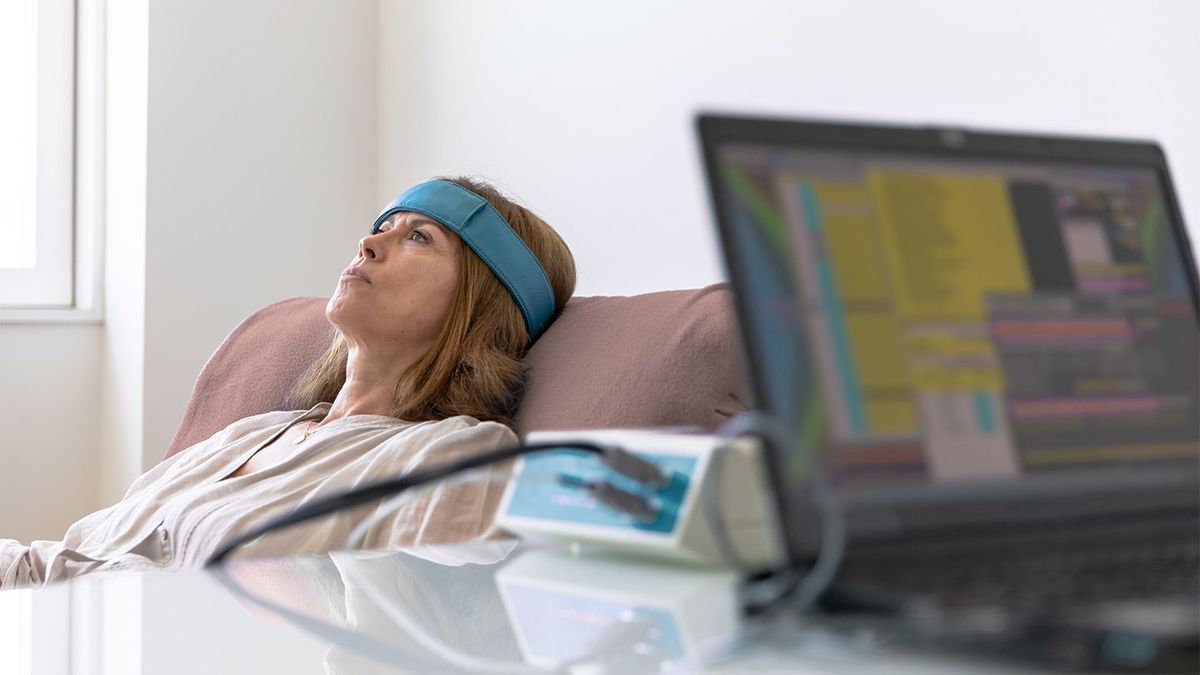
- If dyssynergia is identified, biofeedback sessions use the same sensors to show the patient, in real time, how to coordinate the muscles correctly
- Biofeedback is typically delivered over several sessions rather than a single visit, so the muscles can be retrained gradually
- The manometry test itself usually takes around 20 to 30 minutes and does not require sedation
What to Expect After
There is no recovery time needed after anorectal manometry, and most patients return to normal activity straight away. Mild rectal discomfort during catheter or balloon insertion is common but brief. If biofeedback therapy is recommended, your gastroenterologist will explain the expected number of sessions and how progress will be reviewed along the way.
Why Choose Delhi Gastro Care
Delhi Gastro Care is led by Dr. (Brig) Pankaj Puri, Director of Gastroenterology & Hepatology at Fortis Escorts Liver and Digestive Diseases Institute, Okhla, New Delhi. Anorectal manometry findings at this centre are considered alongside related conditions such as anorectal dyssynergia and chronic constipation, so the underlying cause of symptoms is identified before a treatment plan, including biofeedback, is recommended.
Frequently Asked Questions
It measures the strength and coordination of the anal sphincter and rectal muscles, helping identify the cause of chronic constipation, straining, or fecal incontinence.
Biofeedback is a supervised training programme that uses real-time feedback from sensors to help patients relearn how to relax and coordinate their pelvic floor muscles correctly during a bowel movement, mainly used for constipation caused by a coordination problem rather than slow transit alone.
The test is not painful, though the catheter insertion can cause brief discomfort or an urge sensation. No sedation is required, and the test is completed as an outpatient procedure.
The number of sessions depends on individual response and the underlying coordination problem. Your gastroenterologist will outline an expected course of sessions and reassess progress along the way.