
What Is a Colonoscopy?
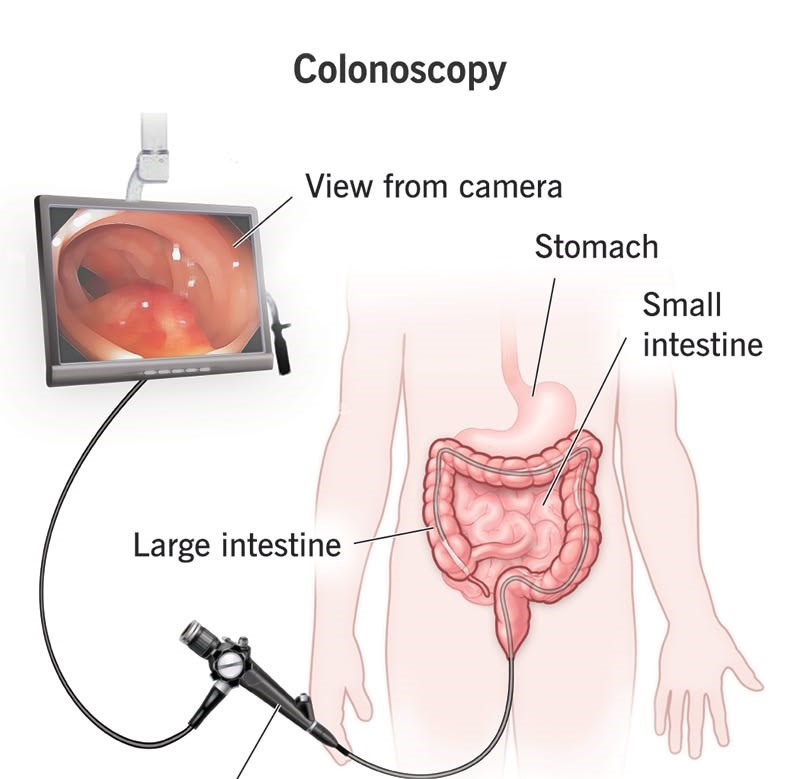
A colonoscopy is a procedure in which a thin, flexible tube fitted with a camera (a colonoscope) is passed through the rectum to examine the entire inner lining of the colon and rectum. It allows your gastroenterologist to look directly for polyps, inflammation, ulcers, abnormal growths, or sources of bleeding — and, if a polyp is found, it can often be removed during the same procedure rather than requiring a separate visit.
Reasons a Colonoscopy May Be Recommended
A colonoscopy is recommended to screen for colorectal disease, investigate digestive symptoms, and monitor individuals at higher risk of colon conditions:
Routine Screening Colonoscopy
Routine screening colonoscopy in Delhi, based on age, family history, and individual risk factors, to detect colorectal cancer early.
Rectal Bleeding
Rectal bleeding or blood in the stool.
Changes in Bowel Habits
Persistent changes in bowel habits, such as ongoing diarrhoea or constipation.
Abdominal Pain
Unexplained abdominal pain when the underlying cause is not clear.
Weight Loss or Anaemia
Unexplained weight loss or iron-deficiency anaemia that may be linked to colon disorders.
Follow-Up Surveillance
Follow-up surveillance after previously detected colon polyps.
Family History & Conditions
A family history of colorectal cancer or inflammatory bowel disease.
Is a Colonoscopy Painful? What to Expect
A genuinely painless colonoscopy in Delhi is the standard of care, not a special add-on — the procedure is performed under sedation, which allows most patients to stay comfortable throughout and have little or no memory of the examination afterward. Some clinics offer conscious sedation, while others use deeper sedation depending on the patient's anxiety level, medical history, and the complexity of the procedure expected. Discussing sedation preferences with your gastroenterologist beforehand helps set realistic expectations for the day of the procedure.
How the Colonoscopy Procedure Works
A colonoscopy is performed under sedation, allowing most patients to remain comfortable throughout the procedure. A flexible colonoscope equipped with a tiny camera is gently advanced through the rectum to examine the entire colon. If any polyps or abnormal tissue are detected, they can often be removed or biopsied during the same procedure, making colonoscopy both a diagnostic and therapeutic procedure.
- You'll be given sedation to help you relax and stay comfortable
- The colonoscope is gently guided through the rectum and colon
- A high-definition camera provides a detailed view of the colon lining
- Polyps or abnormal tissue can be removed or biopsied during the procedure
- The procedure usually takes around 20 to 40 minutes
Preparing for the Test
Proper bowel preparation is essential for a successful colonoscopy because the colon must be completely clean to provide a clear view of its lining. Following your doctor's instructions carefully helps ensure accurate results and reduces the need to repeat the procedure.
- Follow the prescribed bowel-cleansing regimen the day before the test
- Maintain a clear liquid diet as instructed
- Discuss blood thinners or other medications with your doctor beforehand
- Fast for the recommended period before the procedure
- Arrange for someone to accompany you and drive you home after sedation
Colonoscopy in Delhi
Colonoscopy in Delhi begins with a consultation to understand your symptoms, family history, and risk factors, so the procedure can be planned appropriately — whether the goal is diagnostic evaluation of a specific complaint or routine screening. A thorough pre-procedure discussion also covers sedation options, bowel preparation, and what to expect on the day itself.
For most patients, colonoscopy is performed as a same-day, sedated outpatient procedure, with any polyps found removed or biopsied in the same sitting wherever possible, avoiding the need for a separate procedure later.
Colonoscopy in South Delhi
For residents of South Delhi, having colonoscopy in South Delhi available close to home matters because the process typically involves a preparatory consultation, the procedure itself, and a follow-up discussion of results — not just a single visit.
Patients searching for a colonoscopy specialist in South Delhi are usually looking for the same combination of things: a clear explanation of why the procedure has been recommended, a comfortable, sedated experience, and same-sitting polyp removal or biopsy when needed rather than a purely diagnostic look followed by a second procedure.
Delhi Gastro Care is based at Fortis Escorts Hospital, Okhla Road, and is accessible to patients across South Delhi neighbourhoods such as Greater Kailash, Saket, Vasant Kunj, Lajpat Nagar, and Nehru Place. Whether you are looking for a colonoscopy specialist in South Delhi for routine screening or a gastroenterologist for colonoscopy in Delhi to investigate a specific symptom, having consultation, procedure, and follow-up under one roof simplifies the process considerably.
What to Expect After the Procedure
After your colonoscopy, you'll be monitored until the effects of sedation wear off. Most patients return home the same day and recover quickly. Your gastroenterologist will explain the findings, discuss whether any polyps were removed or biopsied, and advise you about follow-up care if required.
- Rest briefly until the sedation wears off
- Mild bloating or cramping may occur but usually resolves quickly
- Most patients can return home the same day
- Your doctor will discuss the procedure findings with you
- Follow-up recommendations will depend on whether polyps or abnormalities were found
Cost, Safety & Screening Guidelines
What Does a Colonoscopy Cost in Delhi?
Colonoscopy cost in Delhi varies depending on several factors: whether the procedure is purely diagnostic or also involves polyp removal or biopsy, the type and depth of sedation used, and the specific hospital or facility where it is performed. Rather than quoting a fixed number, the exact cost is best confirmed during consultation once your specific requirements — screening versus diagnostic, and any anticipated therapeutic steps — are known.
Risks and Safety of Colonoscopy
Colonoscopy is a routine and generally very safe procedure, but as with any procedure involving sedation and instrumentation, it carries a small risk of complications such as bleeding (particularly after polyp removal), perforation, or a reaction to sedation. Serious complications are uncommon, and your gastroenterologist will discuss your individual risk based on your health history and the reason the procedure is being performed.
When Should You Get a Screening Colonoscopy?
Screening colonoscopy in Delhi is generally recommended between the ages of 45 and 50 for people at average risk. Those with a family history of colorectal cancer or colon polyps, or with a personal history of inflammatory bowel disease, may need screening earlier and more frequently, based on their gastroenterologist's advice.
Choosing a Colonoscopy Specialist in Delhi
Because colonoscopy quality depends heavily on operator experience — how thoroughly the colon is examined and how confidently polyps are identified and removed — choosing a colonoscopy specialist in Delhi with a strong procedural track record makes a meaningful difference to outcomes. The best doctor for colonoscopy in Delhi will explain why the procedure is being recommended and what findings are being watched for, rather than treating it as a routine box to tick.
A few things worth checking before your procedure:
- Verified medical qualification and substantial experience in diagnostic and therapeutic colonoscopy
- Advanced endoscopy equipment and on-site pathology support for any biopsies taken
- A clear explanation of your individual risk factors and recommended screening interval
- A comfortable, sedation-based approach that takes procedural anxiety seriously
- A structured follow-up plan based on findings, not just a same-day discharge
At Delhi Gastro Care, Dr. (Brig) Pankaj Puri — a colonoscopy doctor in South Delhi practising at Fortis Escorts, Okhla — is the Director of Gastroenterology and Hepatology at the Fortis Escorts Liver and Digestive Diseases Institute, with extensive experience in diagnostic and therapeutic colonoscopy. His practice combines advanced endoscopy facilities with on-site pathology support and a compassionate, patient-focused approach that helps reduce procedural anxiety.
Frequently Asked Questions
Find answers to common questions about colonoscopy, including the procedure, preparation, recovery, cost, and safety.
A colonoscopy is a procedure in which a flexible tube with a tiny camera is passed through the rectum to examine the colon and rectum. It helps detect polyps, inflammation, bleeding, and early signs of colorectal cancer.
Most patients receive sedation during the procedure, so they feel little to no discomfort and usually have no memory of the examination afterward, making a genuinely painless colonoscopy the norm rather than the exception.
Preparation includes following a bowel-cleansing regimen the day before the procedure, usually with a prescribed laxative solution and a clear liquid diet, to ensure the colon is clean for accurate examination.
Screening is generally recommended between the ages of 45 and 50 for people at average risk. Those with a family history of colorectal cancer or colon polyps may need screening earlier, based on their gastroenterologist's advice.
Colonoscopy cost in Delhi depends on whether the procedure is diagnostic or also involves polyp removal or biopsy, the sedation used, and the facility where it is performed. Your doctor can give you a clearer estimate once your specific requirements are known.
Colonoscopy is generally very safe, with serious complications such as bleeding or perforation being uncommon. Your gastroenterologist will discuss your individual risk based on your health history before the procedure.
Most polyps can be removed during the same procedure using specialised instruments passed through the colonoscope, avoiding the need for a separate surgery. Removed tissue is typically sent for laboratory analysis, and your doctor will discuss the results and any recommended follow-up interval with you.
Look for a gastroenterologist with substantial experience in diagnostic and therapeutic colonoscopy, access to advanced endoscopy equipment and on-site pathology support, and a clear, sedation-based approach to keeping the procedure comfortable.