What Is Upper GI Endoscopy?
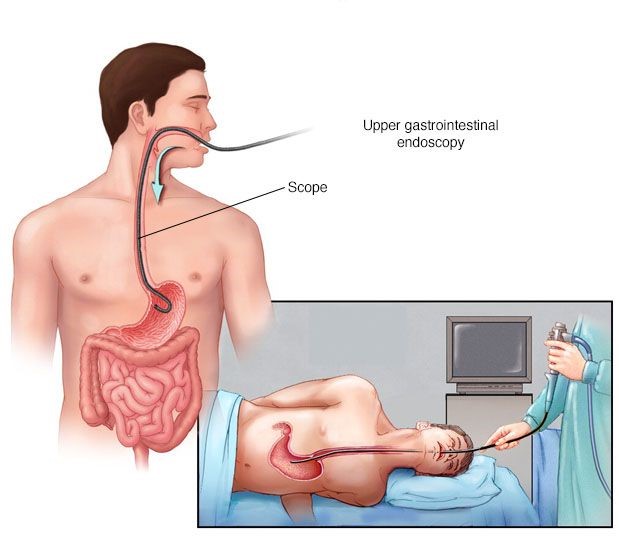
Upper GI endoscopy, also known as gastroscopy, allows a gastroscopy doctor in Okhla to examine the food pipe (esophagus), stomach, and the first part of the small intestine (duodenum) when digestive symptoms do not improve with medication alone. During the procedure, a thin, flexible tube with a camera and light is gently passed through the mouth into the upper digestive tract, allowing the doctor to examine the lining in real time, identify abnormalities, take small tissue samples (biopsies) when required, and perform treatments such as controlling bleeding or removing small polyps during the same procedure.
Who Needs an Upper GI Endoscopy?
An upper GI endoscopy may be recommended to diagnose persistent upper digestive symptoms and identify the underlying cause accurately:
Persistent Acid Reflux
Endoscopy for acid reflux in Delhi is typically recommended when heartburn or acid reflux continues despite medications or lifestyle changes, since it can reveal inflammation or damage that symptoms alone cannot confirm.
Difficulty Swallowing
Pain or difficulty while swallowing food or liquids needs evaluation of the esophagus to rule out strictures, inflammation, or motility problems.
Persistent Nausea and Vomiting
Long-lasting nausea, vomiting, or unexplained weight loss may require endoscopic assessment to identify the underlying cause.
Bleeding from the Digestive Tract
Vomiting blood or passing black, tarry stools requires urgent evaluation with endoscopy.
Upper Abdominal Pain
Persistent or worsening pain in the upper abdomen may indicate ulcers or other stomach disorders.
Anemia or Suspected Stomach Infection
Iron-deficiency anemia, gastritis, stomach ulcers, or suspected H. pylori infection can all be diagnosed through endoscopy.
Follow-Up Evaluation
Recommended after previous abnormal endoscopy findings, biopsies, or ulcer treatment to monitor healing.
What Can an Upper GI Endoscopy Detect?
An upper GI endoscopy provides a direct view of the esophagus, stomach, and duodenum, helping diagnose a wide range of upper digestive disorders accurately. During the same procedure, tissue samples (biopsies) can also be taken if required for further laboratory evaluation:
- Acid reflux (GERD) and inflammation of the esophagus
- Gastric and duodenal ulcers
- H. pylori infection and gastritis
- Hiatal hernia
- Celiac disease through small intestine biopsy
- Barrett's esophagus due to long-term acid reflux
- Early esophageal or stomach cancer changes
- Source of bleeding in the upper digestive tract
Is Upper GI Endoscopy Painful?
Most patients considering the test are really asking whether painless endoscopy in Delhi is genuinely achievable, and for the large majority of patients, it is. A numbing throat spray and mild sedation are used to keep the procedure comfortable, and most patients experience little to no pain. Mild gagging or bloating may occur briefly but usually settles quickly once the endoscope is withdrawn.
How the Upper GI Endoscopy Procedure Works & Preparation
Upper GI endoscopy procedure and preparation in Delhi follows a straightforward, day-care format that is usually completed in 10–15 minutes. Following the recommended preparation helps ensure accurate results and a smooth recovery:
- Fast for 6–8 hours before the procedure as instructed
- Inform the doctor about blood thinners, diabetes medicines, or allergies
- Share previous endoscopy, biopsy reports, and medical history
- A numbing throat spray and mild sedation may be given for comfort
- The endoscope is gently passed through the mouth into the esophagus, stomach, and duodenum
- Images are viewed in real time, and biopsies or treatment can be performed if needed
- After the procedure, you are monitored until the sedation wears off
- Arrange for someone to accompany you home if sedation has been administered
Sedation Options for Endoscopy
Sedation endoscopy in South Delhi is offered alongside the option of a numbing throat spray alone, depending on patient preference and clinical suitability. Mild sedation helps most patients relax fully through the procedure and often means little to no memory of the test afterward, while a throat-spray-only approach suits patients who prefer to avoid sedation and can arrange their own transport home the same day.
Upper GI Endoscopy in South Delhi
For residents of South Delhi, having upper GI endoscopy in South Delhi available close to home matters because the test, monitoring period, and same-day discharge are all part of a single visit — a process that is far more convenient when the clinic is not a long drive away.
Patients searching for the best gastroenterologist for endoscopy in South Delhi are usually looking for the same combination of things: a clear explanation of why endoscopy is needed for their specific symptoms, a comfortable, well-sedated procedure, and prompt biopsy or treatment during the same visit if something is found.
Delhi Gastro Care is based at Fortis Escorts Liver & Digestive Diseases Institute, Okhla Road, and is accessible to patients across South Delhi neighbourhoods such as Okhla, Kalkaji, Nehru Place, Greater Kailash, Sarita Vihar, Jasola, and New Friends Colony. Whether you are looking for an endoscopy doctor at Fortis Escorts Okhla for a first evaluation or the best gastroenterologist for endoscopy in South Delhi to follow up on previous findings, having evaluation, procedure, and biopsy support under one roof simplifies the process considerably.
Cost of Upper GI Endoscopy in Delhi
Upper GI endoscopy cost in Delhi varies from patient to patient, since it depends on several factors rather than a single fixed figure:
- Whether sedation is used, and the type of sedation given
- Whether biopsies are taken during the procedure and sent for laboratory analysis
- Whether the procedure includes any same-visit treatment, such as controlling bleeding or removing a polyp
- Pre-procedure consultation and any required blood tests
- The hospital or facility where the procedure is performed
Because these factors vary by patient and by facility, the most accurate way to get an upper GI endoscopy cost estimate in Delhi is to discuss your specific case directly with the clinic during consultation, rather than relying on a generic online figure.
Choosing a Specialist for Upper GI Endoscopy in Delhi
Because findings during endoscopy can lead directly to biopsy or same-visit treatment, choosing the best gastroenterologist for endoscopy in South Delhi with genuine hands-on experience makes a meaningful difference to both comfort and diagnostic accuracy. A gastroscopy doctor in Okhla should be able to explain clearly why endoscopy is the right next step for your symptoms before the procedure is scheduled.
A few things worth checking before your procedure:
- Verified medical qualification and registration in gastroenterology
- Documented, hands-on experience performing upper GI endoscopy and related biopsies
- On-site access to sedation, monitoring, and pathology support
- A clear explanation of why endoscopy is needed rather than continued symptom-based treatment
- Established follow-up process for reviewing biopsy or treatment results
At Delhi Gastro Care, Dr. (Brig) Pankaj Puri — an endoscopy doctor at Fortis Escorts Okhla and the best gastroenterologist for endoscopy in South Delhi for many long-standing patients — performs upper GI endoscopy at Fortis Escorts Liver & Digestive Diseases Institute, Okhla Road, providing advanced diagnostic and therapeutic care for patients across South Delhi. Sedation, real-time biopsy, and same-visit treatment such as bleeding control or polyp removal are all available at the same centre.
Frequently Asked Questions
An Upper GI Endoscopy examines the esophagus, stomach, and duodenum through the mouth, while a colonoscopy examines the large intestine through the rectum. Each procedure evaluates a different part of the digestive tract and is recommended based on your symptoms.
No. Most patients experience little to no pain. A numbing throat spray and mild sedation are used to keep the procedure comfortable. Mild gagging or bloating may occur briefly but usually settles quickly.
No. Upper GI Endoscopy is a day-care procedure. After a short recovery period, most patients are discharged on the same day unless additional medical observation is required.
No. You should not eat or drink for 6 to 8 hours before the procedure. Fasting ensures that the stomach is empty, allowing a clear examination and reducing the risk of complications.
Upper GI endoscopy cost in Delhi depends on whether sedation is used, whether biopsies are taken, and whether any same-visit treatment is performed. A personalised estimate is best obtained during consultation.
No. Sedation is optional. A numbing throat spray alone is sufficient for many patients, while mild sedation is offered for those who prefer to be fully relaxed through the procedure. Patients who choose sedation should arrange for someone to accompany them home.
You can book your Upper GI Endoscopy using the Book Appointment page on this website or by calling +91 81302 33996. Consultations and procedures are performed at Fortis Escorts Liver & Digestive Diseases Institute, Okhla Road, New Delhi.