What Is GERD? Symptoms, Causes, Treatment and Prevention
Most people know the feeling: a burning sensation climbing up behind the breastbone after a large or spicy meal. Usually it settles on its own. When it keeps coming back, a few times a week or often enough to wake you at night, it may be more than ordinary indigestion.
That pattern is what doctors call GERD, short for gastroesophageal reflux disease. Many people manage it for years with over-the-counter antacids without asking what is going on underneath. Frequent heartburn is nothing to panic about, but it is not something to ignore either. This guide explains what GERD is, how it is diagnosed and treated, and when to see a doctor.
What Is GERD?
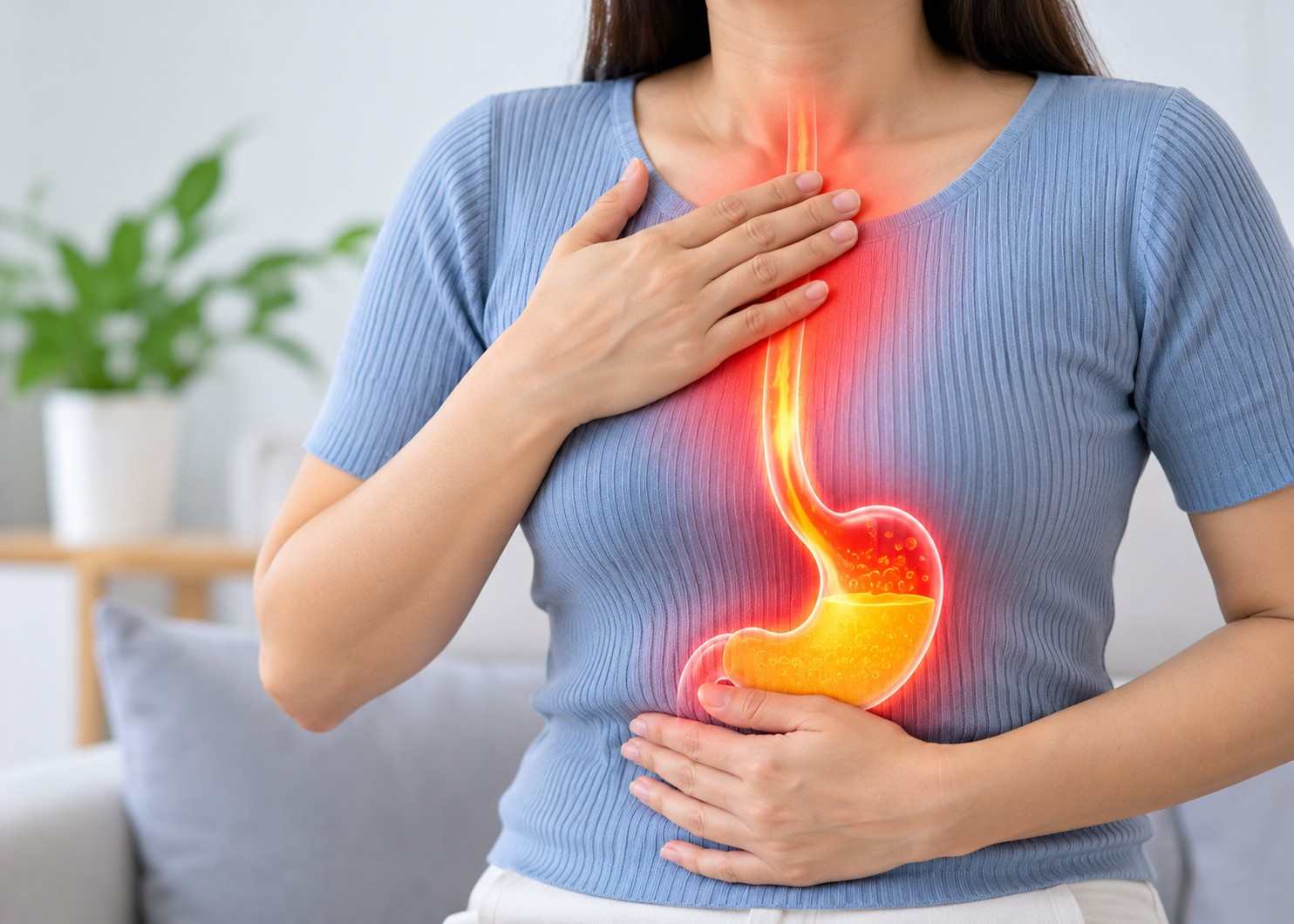
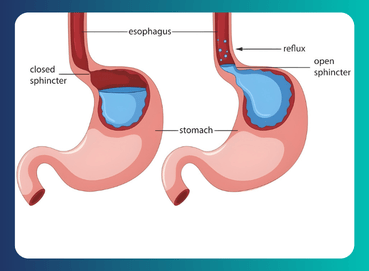
GERD, or gastroesophageal reflux disease, is a long-term condition in which stomach contents repeatedly flow back into the esophagus (the food pipe), causing symptoms or irritating its lining. The stomach is built to handle acid. The esophagus is not, so repeated exposure can inflame it and, in some people, damage it.
Occasional acid reflux vs. GERD: Acid reflux is the backward flow itself, and nearly everyone has it now and then, usually after a heavy meal. GERD is the term used when reflux becomes frequent or persistent enough to cause bothersome symptoms or complications. As a rough guide, mild symptoms at least twice a week, or more severe symptoms at least once a week, point towards GERD. Chronic acid reflux that continues despite simple measures deserves a proper assessment.
What Causes GERD?
GERD develops when the barrier between the stomach and esophagus stops working well. At the lower end of the esophagus sits a ring of muscle called the lower esophageal sphincter (LES), which acts as a one-way valve. In GERD, the valve may be weak, may relax at the wrong moments, or may be pushed out of position, so stomach contents slip upward.
Several mechanisms can sit behind this: a hiatal hernia (part of the stomach pushing up through the diaphragm), raised pressure inside the abdomen, slow stomach emptying, and reduced clearing of acid from the esophagus. Habits like large meals or lying down after eating do not create GERD by themselves, but they can set off reflux in someone whose valve is already vulnerable.
What Are the Symptoms of GERD?
The most common GERD symptoms are heartburn and regurgitation. Heartburn is a burning discomfort behind the breastbone, often rising towards the throat after meals or when lying down. Regurgitation is sour or bitter liquid coming back into the throat or mouth. Not everyone has the same symptoms; some people have little burning and are troubled mainly by a cough or a hoarse voice.
Common symptoms in adults:
- Heartburn, especially after eating or when lying flat
- Regurgitation of sour or bitter fluid
- A sour or acidic taste in the mouth
- Chest discomfort, usually burning or pressure in the middle of the chest
Other symptoms that may occur:
- Difficulty swallowing or pain while swallowing
- Nausea or frequent belching
- Chronic cough, hoarseness, throat clearing or a lump-in-the-throat sensation
Because cough and hoarseness have many possible causes, they should not be assumed to be GERD without evaluation. Persistent trouble swallowing in particular needs attention; read more about swallowing difficulty and its treatment.
GERD Symptoms at Night
GERD is often worse at night because lying flat removes the help gravity gives during the day. Acid can travel up the esophagus more easily, and saliva and swallowing, which normally clear it, slow down during sleep. Some practical measures may help:
- Finish dinner two to three hours before lying down
- Raise the head of the bed by about 15 to 20 cm (6 to 8 inches) with risers or a wedge
- Try sleeping on your left side, which some people find helpful
- Avoid alcohol and large drinks close to bedtime
If symptoms still disturb your sleep several nights a week, speak with a doctor.
What Are the Risk Factors for GERD?
Risk factors do not directly cause GERD. They make it more likely to develop or more troublesome.
- Overweight or obesity, especially around the abdomen
- Pregnancy, due to hormonal shifts and pressure from the uterus
- Smoking, which can weaken the LES
- Hiatal hernia
- Certain medicines (anti-inflammatories, blood pressure tablets, nitrates, sedatives)
- Eating habits, including large portions and late dinners
How Is GERD Diagnosed?
In many people, GERD can be diagnosed from symptoms and medical history alone. A doctor will ask how often symptoms occur, what triggers them, which medicines you take and whether any warning signs are present, then examine you. When symptoms are typical and no warning signs exist, a doctor may suggest lifestyle changes with a short course of acid-reducing treatment and watch how you respond.
Not every person with GERD needs an endoscopy. Testing is more likely when symptoms do not improve, warning signs are present, symptoms are long-standing, the diagnosis is uncertain, or surgery is being considered.
- Upper GI endoscopy: A thin, flexible camera tube examines the lining of the esophagus and stomach. It can show inflammation, narrowing, a hiatal hernia or Barrett's esophagus, and allows biopsies.
- Esophageal pH monitoring: Measures how often and how long acid enters the esophagus over 24 hours or longer.
- Esophageal manometry: Assesses esophageal muscle function, often evaluated before surgery.
- H. pylori breath test: Not a test for GERD itself, but advised when ulcer-type symptoms are also present.
GERD Treatment Options
Treatment aims to relieve symptoms, heal any damage and prevent complications. The right plan depends on your symptoms, test results and overall health:
- Lifestyle & Dietary Changes: The primary cornerstone for mild symptoms and maintenance.
- Antacids: Neutralise acid already in the stomach for rapid, short-term relief.
- H2 Blockers: Reduce acid production; slower onset than antacids but provide longer relief.
- Proton Pump Inhibitors (PPIs): Powerful acid reducers most effective for healing esophagitis.
- Procedures or Surgery: For confirmed persistent GERD, such as fundoplication or magnetic sphincter augmentation. Learn more about acid reflux (GERD) treatment.
Lifestyle Changes That May Help Manage GERD
- Work towards a healthy weight if you are above it
- Keep dinner early and avoid lying down straight after meals
- Eat smaller, steadier meals, and chew slowly
- Keep a food and symptom diary for two weeks to track triggers
- Stop smoking and cut down on alcohol consumption
- Raise the head of your bed if you have night-time symptoms
Foods and Drinks That May Trigger GERD Symptoms
Food triggers differ from person to person. Common triggers to monitor include:
- Spicy foods, deep-fried items, and high-fat dishes
- Chocolate, mint, and caffeinated beverages (coffee & tea)
- Alcohol and carbonated soft drinks
- Acidic foods like citrus fruits and tomatoes
For many people in Delhi and across North India, late heavy dinners and deep-fried snacks are worth examining first. If you mainly have general acidity, see our page on acidity treatment.
When Should You See a Doctor for GERD?
See a doctor if heartburn occurs more than a couple of times a week, fails to settle with simple measures, or lasts beyond two to three weeks. A gastroenterologist in Delhi can pinpoint whether GERD is the culprit. Seek prompt evaluation for:
- Difficulty or pain while swallowing
- Persistent vomiting or unexplained weight loss
- Black, tarry stools, or vomiting blood
Important Warning: Chest pain should never be assumed to be GERD. A heart attack can feel like heartburn. Seek emergency medical care immediately if chest pain is new, severe, triggered by exertion, or accompanied by breathlessness, sweating, dizziness, or radiating pain to the arm, neck, or jaw.
Frequently Asked Questions – Acid Reflux & GERD Treatment in Delhi
Get answers to common questions about acid reflux, GERD diagnosis, treatment, food triggers, and specialist care.
GERD (gastroesophageal reflux disease) is a long-term condition in which stomach acid and other stomach contents repeatedly flow back into the esophagus, causing symptoms such as heartburn or irritating its lining. It differs from occasional acid reflux because it is frequent, persistent, or linked to complications.
Frequent heartburn, regurgitation of sour or bitter fluid, a sour taste in the mouth and chest discomfort after meals or when lying down are the usual early signs. Some people first notice a chronic cough or hoarseness instead.
GERD usually develops when the lower esophageal sphincter, the valve between the esophagus and stomach, is weak or relaxes at the wrong time. A hiatal hernia and slow stomach emptying can contribute. Obesity, pregnancy, smoking, some medicines and eating habits raise risk or trigger symptoms.
Not exactly. Acid reflux is the backward flow of stomach contents, which most people experience occasionally. GERD is diagnosed when reflux is frequent or persistent enough to cause troublesome symptoms or damage. All GERD involves acid reflux, but not all acid reflux is GERD.
Mild, occasional reflux tied to a clear trigger often settles by itself. Ongoing GERD usually does not. Symptoms may ease with weight loss or after pregnancy, and many people improve with lifestyle changes and treatment, but some need long-term management.
No single list suits everyone. Commonly reported triggers include spicy and fatty foods, chocolate, coffee, mint, alcohol, citrus and tomato-based dishes. Track your own symptoms and cut back only on foods that clearly set them off.
Yes, GERD can cause burning or pressure-like chest pain, but chest pain should never be assumed to be reflux. If it is new, severe, triggered by exertion, or comes with breathlessness, sweating or pain spreading to the arm or jaw, seek emergency care immediately.
For most people GERD is controlled rather than permanently cured. Lifestyle changes and medicines relieve symptoms and heal inflammation in many patients, and surgery or procedures can offer longer-term control for selected people. Symptoms may return if old habits do.
See one if heartburn occurs more than a couple of times a week, does not improve with simple measures, or returns when you stop treatment. Seek prompt care for trouble swallowing, persistent vomiting, unexplained weight loss, black stools or vomiting blood.
Yes. Lying flat lets stomach contents reach the esophagus more easily, and saliva and swallowing, which clear acid, slow during sleep. Night GERD may cause burning, a sour taste, coughing and broken sleep. Early dinners and raising the head of the bed can help.